
GREEN Solar Academy Cape Town | Solar Training is a Inverters and UPS, Training centre establishment in Cape Town, Western Cape, South Africa
GREEN Solar Academy Cape Town: Inverters and UPS Training – Summary for Business Directory
GREEN Solar Academy offers a comprehensive suite of solar installation training programmes with a focus on practical, hands-on learning and industry alignment. Although the academy operates across multiple South African cities, this summary highlights the offerings relevant to Cape Town and the Western Cape, situating the centre as a recognised resource for those pursuing inverter and UPS knowledge within the broader solar installation and design landscape.
The centre presents a varied portfolio designed to support a wide range of participants—from beginners seeking foundational solar understanding to experienced installers preparing for professional assessments. Core courses cover practical installation, system design, operation and maintenance, and commercial-scale topics. Several programmes emphasise readiness for SAPVIA’s PV GreenCard framework, underscoring a pathway from training to recognised industry credentials.
Main services offered
- Solar 101 – foundational solar basics delivered over a short, structured course suitable for non-technical learners.
- PV Mounter – hands-on solar installation training, targeted at practical learners and teams seeking to build installation capability.
- SuperSolarSchool – an intensive 5-day programme covering solar concepts, SAPVIA-endorsed installation training under the PV GreenCard programme, suitable for beginners and those seeking broader coverage.
- Commercial PV Design – masterclass on designing and constructing commercial-scale PV systems, including high voltage considerations.
- PV System Operation & Maintenance – a 1-day course focused on visual inspections, basic maintenance, interpretation of yield, and online monitoring for maintenance staff and facility managers.
- Solar Installer Turbo! – a 5-day package for experienced installers preparing for the SAPVIA PV GreenCard Assessment, with theory in the first three days and assessment in the final two days.
- Compliance for PV Systems – a focused, 1-day intensive course on testing, compliance practices, and report submissions.
- PV GreenCard & Exams – guidance on passing an online exam to qualify as a GREEN PV Installer or Designer, alongside SAPVIA assessment preparation for PV GreenCard certification.
- Financing for PV Systems – overview of financing options, tax advantages, and client cost savings relevant to South Africa.
- EV & eMobility Infrastructure – exploration of electric vehicle technology and related infrastructure as part of expanding solar and energy storage knowledge.
- PV System Operation & Maintenance (Ongoing content mentions) – additional references to ongoing maintenance and monitoring programs as part of the curriculum.
Educational delivery is complemented by pathways into industry networks, with participants gaining access to installers, suppliers, and local solar experts to support business development and employment opportunities. The courses are positioned as stepping stones toward professional accreditation and a robust installer network within South Africa’s solar sector.
Typical job types and industries served
Graduates are described as progressing into roles such as solar installers and engineers, solar designers, and consultants who can navigate both practical installation and design considerations. The emphasis on SAPVIA PV GreenCard training and assessments suggests readiness for roles that require recognised professional certification. Related disciplines touched upon include sales and customer relations for solar companies, financing roles, and general project delivery in the solar sector.
How requests usually work
Information about upcoming courses and assessments is provided through dedicated course listings, with dates and locations available for Johannesburg, Pretoria, Cape Town, Ballito, and Port Elizabeth. Interested individuals can view dates and details for the full year and locate specific courses via the central course finder. The training path includes formal accreditation information, certificates, and qualifications, enabling learners to track progress toward recognised credentials.
Practical tips for customers
- Check the exact course focus to ensure alignment with career goals, whether practical installation, design, maintenance, or GreenCard certification.
- Review SAPVIA PV GreenCard requirements early to understand eligibility and assessment prerequisites.
- Look for courses that offer hands-on elements and real-world instruction from experienced installers, as noted by participant feedback highlighting practical delivery and industry relevance.
- Consult the course finder regularly for updated dates and locations to plan attendance in Cape Town or other nearby centres.
- Consider combining modules (for example, SuperSolarSchool with PV GreenCard preparation) to streamline certification and employability in the local market.
Location and access
GREEN Solar Academy operates in Cape Town as part of its wider South African network. In addition to Cape Town, courses are offered across Johannesburg, Pretoria, Ballito, and Port Elizabeth, reflecting a national footprint designed to support installers and professionals throughout the country. The programme is designed to connect learners with the Western Cape’s solar industry ecosystem and the broader installer community.
Practice-focused feedback from graduates emphasises a well-structured, theory-to-practice approach, with instructors distinguished by industry experience and the ability to translate complex concepts into applicable knowledge.
Cape Town
Western Cape
South Africa


Sorry, no records were found. Please adjust your search criteria and try again.
Sorry, unable to load the Maps API.
Inverters and UPS Training Centre Services in Cape Town, Western Cape
In the Western Cape, customers seeking reliable power solutions often turn to training centres that specialise in inverters, uninterruptible power supplies (UPS), and associated energy storage systems. These centres provide practical instruction and learning support for technicians, installers, facilities managers, and businesses looking to understand how modern power protection technology can mitigate outages, voltage fluctuations, and data risks. The focus is on equipment that can support critical loads, from small commercial sites to larger operations demanding continuity during grid interruptions.
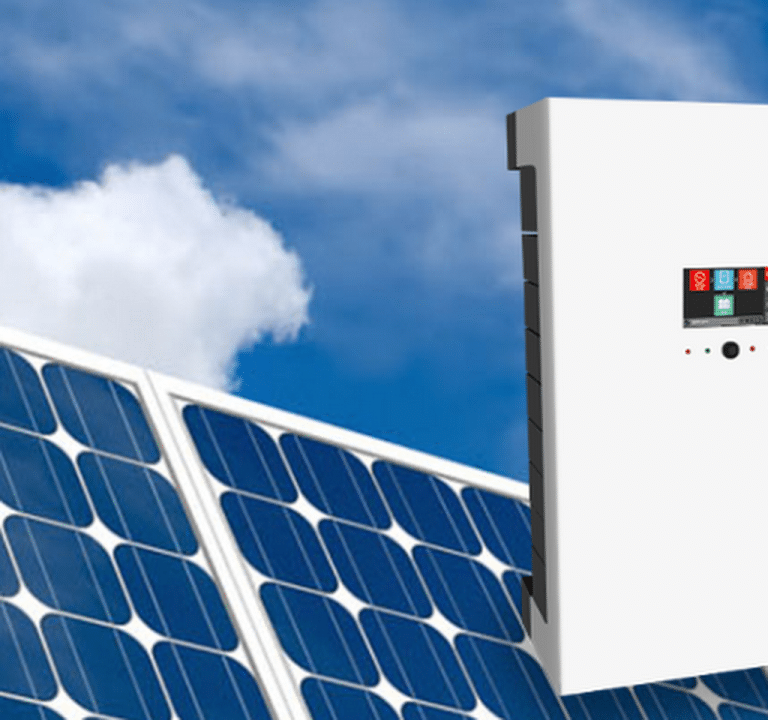
Typical offerings cover both theory and hands‑on practice. Trainees can expect structured modules that explain how inverter technology converts DC battery energy into usable AC power, the role of UPS units in bridging gaps during power interruptions, and the importance of correct sizing to match load profiles. Courses frequently address the differences between standby, online, and line‑interactive UPS configurations, along with the practical implications of battery choice, charger management, and thermal considerations. Inverters are explored for both on‑grid and off‑grid applications, including solar hybrid systems, while attention is given to harmonisation with existing electrical infrastructure and safety standards.
Practical elements often include laboratory sessions, where learners observe measurements, wiring practices, and fault diagnosis in a controlled environment. This approach helps participants gain confidence in assessing system health, performing routine checks, and carrying out safe maintenance routines. Emphasis is placed on correct cable sizing, protective devices, earthing, and the importance of professional commissioning. In a Cape Town setting, sessions may also address local considerations such as available solar resources, typical load patterns, and climate‑related care for battery banks and cooling requirements.
Quality educational outcomes in this field typically rely on skilled instructors with hands‑on industry experience. Courses may be delivered as short workshops or longer modular programmes, allowing individuals to progress from foundational topics to more advanced installation and fault‑finding techniques. While specific course titles and durations vary, learners can expect guidance on selecting appropriate equipment, interpreting specifications, and understanding maintenance schedules. The aim is to equip attendees with the knowledge to either support in‑house energy resilience or advise clients on safe, compliant installations.
For businesses, the training centre may offer practical resources that translate into real‑world benefits. These include demonstrations of proper site assessment, load analysis, and the development of maintenance plans that minimise downtime. Trainees gain an awareness of warranty considerations, service contracts, and the importance of documentation for compliance and asset management. The centres often provide supplementary materials such as case studies, reference diagrams, and checklists that support ongoing competence beyond the classroom.
When engaging with a training centre in Cape Town, customers can expect clear guidance on prerequisites, course prerequisites, and access to appropriate facilities. The centres typically ensure a safe learning environment with clear safety briefings, personal protective equipment where required, and supervised practical exercises. Learners are encouraged to ask questions, undertake supervised troubleshooting, and learn during realistic practice scenarios that reflect common field challenges.
In summary, Inverters and UPS Training Centre services in Cape Town offer a practical pathway to understanding and managing power protection technologies. They help individuals and organisations build confidence in selecting, installing, and maintaining inverter and UPS systems, with attention to safety, reliability, and local considerations relevant to the Western Cape. The outcome is a cadre of practitioners equipped to support resilient operations in an area where dependable power can be a crucial factor for business continuity.
- Structured theoretical modules covering inverter and UPS concepts
- Hands‑on laboratory sessions and fault‑finding practice
- Load assessment, site surveys, and safety considerations
- Maintenance planning, battery care, and asset documentation
- Guidance on commissioning, warranties, and service arrangements
If this is your business, please click the button below to claim it.
By claiming the listing, you will be able to edit it, and add your own text, images, videos and business hours
Please use this listing as an advertisement for your business. It is provided for Free.