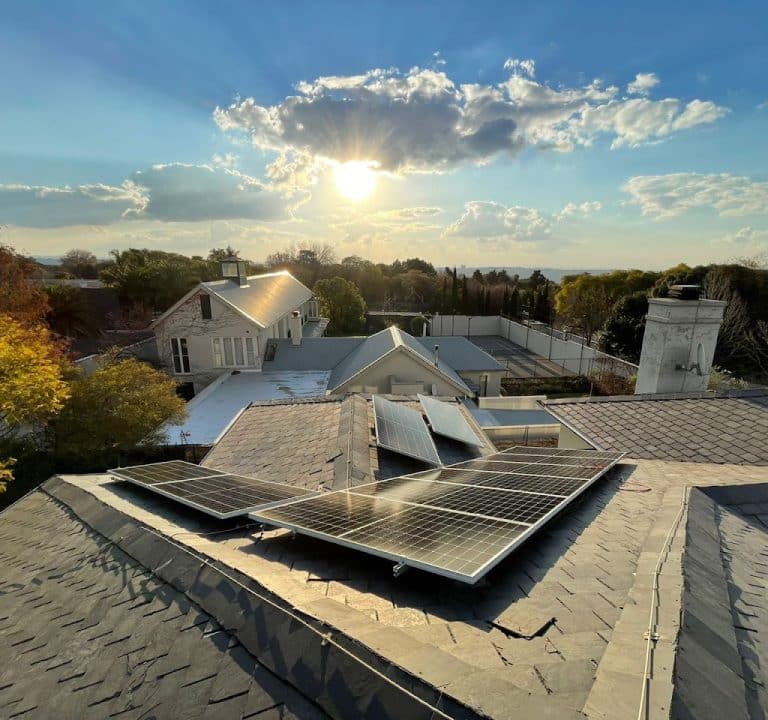

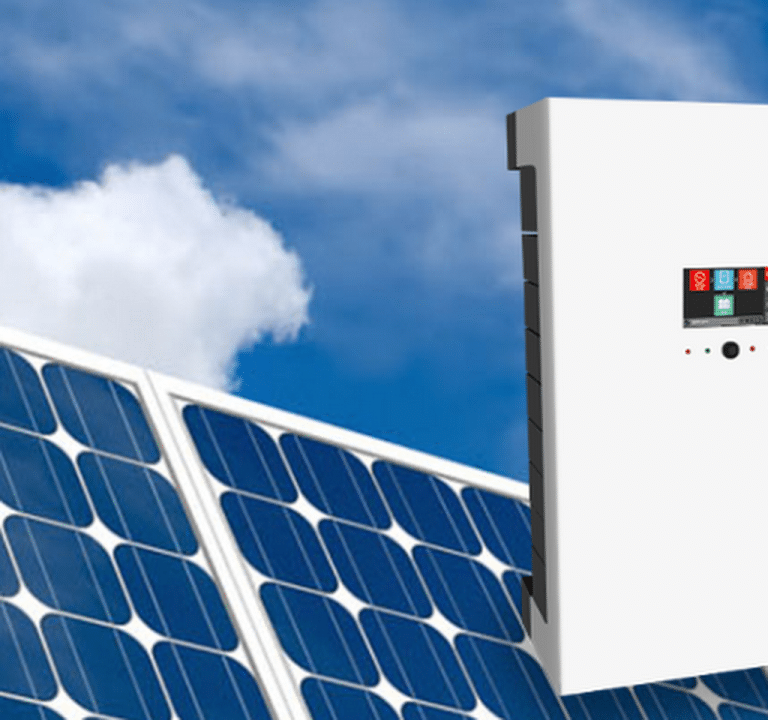
MLT Inverters is a Equipment supplier, Inverters and UPS establishment in Cape Town, Western Cape, South Africa
MLT Inverters — Cape Town Equipment Supplier for Inverters and UPS
MLT Inverters operates as an equipment supplier specialising in solar and power management solutions, with a focus on inverter units, motorised control components, and related energy storage hardware. Based in Cape Town, Western Cape, the business presents itself as a regional provider serving customers in and around the city, including applications that align with off-grid and grid-tied solar projects. The product range and documentation emphasise practical, system-ready components designed to support resilient power delivery in commercial, industrial, and domestic settings.
The company highlights a portfolio that includes several well-defined inverter families and complementary accessories. Among the offerings are Nomad Solar Charger units with dual MPPT capability, Oasis Passive Inverters in 5H/8H/10H configurations for single-phase applications, and Powerstar Interactive Inverters covering both single and three-phase arrangements. This combination suggests a strength in modular, scaleable power solutions suitable for different load profiles and site conditions. Supporting hardware such as a Microgrid Controller and ancillary boxes — including a LV Battery Disconnect Box and a 63A Bypass Box — indicates an emphasis on system integration, safety, and ease of maintenance within larger solar or hybrid power setups.
From an outward perspective, the customer experience appears to be shaped by accessible documentation and self-service resources. The site provides specifications, quick setup guides, manuals, and brochures, enabling prospective buyers and engineers to compare models, perform initial planning, and implement configurations with a degree of hands-on understanding before engaging further. The availability of an online portal and a resource section suggests a pathway for ongoing project management, remote monitoring, or post-purchase support where appropriate.
In terms of typical project types, the product lines point to installations common in small to mid-scale commercial applications, residential solar systems, and off-grid or hybrid arrangements. The Oasis Passive Inverter range, for instance, is often deployed in environments seeking robust, low-maintenance power conversion with straightforward installation. The Nomad Solar Charger and Powerstar families point to projects that emphasise energy capture, storage, and intelligent control, while the Microgrid Controller signals readiness for coordinated, multi-inverter configurations within a broader energy system. The availability of circuit diagram documentation and forms related to city authorities (CoCT SSEG) indicates engagement with local requirements for grid-enabled or off-grid installations in the Cape Town area.
Requests or inquiries appear to be supported through standard contact channels, with a listed phone line and a physically stated location in the Richmond Park area of Cape Town. The site’s structure implies that clients can explore product specifications and setup information before initiating conversations with sales or technical staff, helping to streamline initial discussions and design considerations.
Practical tips for customers
- Review product specifications and manuals before selecting models to ensure compatibility with existing systems and load requirements.
- Use the available quick setup guides to accelerate initial configuration and avoid common wiring or setting errors.
- Consult the CoCT SSEG documentation when dealing with local regulatory requirements for solar programmes and grid interaction in Cape Town.
- Consider supplementary hardware, such as the LV Battery Disconnect Box or the 63A Bypass Box, for safer maintenance and smoother operation during changes in supply.
- Leverage the Microgrid Controller and related resources for projects that require coordinated operation across multiple inverters or modules.
- Verify installation needs with a qualified technician, particularly for three-phase configurations and systems transitioning between grid-tied and off-grid modes.
Operational details such as specific business hours or service windows are not explicitly listed, but the contact information places the business within the Richmond Park area of Cape Town. The focus on documented products and accessible customer resources suggests an emphasis on a straightforward, informed purchasing journey, supported by technical documentation and model-specific guidance.
Overall, MLT Inverters presents itself as a Cape Town-based supplier of inverter and UPS solutions, with a coherent product line suitable for off-grid, hybrid, and grid-compatible installations. The combination of inverter families, controller options, and practical accessories, alongside a structured set of manuals and forms, positions the company as a credible resource for engineers and businesses seeking reliable power conversion and management hardware in the Western Cape region.
Cape Town
Western Cape
South Africa


Sorry, no records were found. Please adjust your search criteria and try again.
Sorry, unable to load the Maps API.
Equipment Supplier, Inverters and UPS Services in Cape Town, Western Cape
Within Cape Town and the broader Western Cape, equipment suppliers specialising in power protection and energy management deliver a range of solutions designed to minimise disruption from electrical fluctuations and outages. The landscape includes providers offering hardware selection, system design, installation, commissioning and ongoing maintenance for commercial, industrial and residential customers. The emphasis is on reliable back-up power, efficient energy utilisation and adherence to local electrical standards.
Typical offerings encompass uninterruptible power supply (UPS) systems, inverters, battery banks and related ancillary equipment. Inverters convert DC power from batteries or alternative sources into usable AC power, enabling critical loads to continue operating during a mains outage. UPS units are designed to provide instantaneous isolation from interruptions, protecting sensitive equipment from voltage sags, spikes and transient faults. Both options may be available in various ratings to support servers, data networks, medical devices, lighting and HVAC systems, depending on the facility’s size and criticality.
Consultations often begin with a site assessment to determine the expected load, critical circuits, and available space for batteries and equipment. A comprehensive review may consider load profiles, peak demand, and future expansion needs. The aim is to specify a system that provides sufficient autonomy and robust protection while minimising energy waste and heat generation. In Cape Town, where power reliability can be variable, timing, battery technology and cooling considerations become especially important elements of the design.
Battery technology choices typically feature lead-acid or lithium-ion chemistries, each with distinct charge characteristics, lifecycle expectations and maintenance requirements. Lead-acid solutions may offer cost advantages for larger bank configurations, while lithium-ion options can provide higher energy density and longer cycle life. The selection process also encompasses charger controls, battery management systems, and the integration of monitoring platforms to track state of charge, temperature, and system health remotely. Safety, ventilation and fire protection are critical considerations in any installation.
Capable equipment suppliers can manage the full installation cycle, including wiring, protective enclosures, cooling requirements, electrical separations, and compliance with electrical regulations. Commissioning typically involves functional checks, benchmarking of backup run times, and validation of transfer switches to ensure seamless handover from main supply to battery or generator power when required. Some projects may also include grid-connection considerations for hybrid systems that combine solar generation with inverters and UPS protection.
Maintenance and service arrangements are an important part of the offering. Maintenance plans commonly cover periodic inspections, battery health tests, firmware updates, and prompt fault resolution. Service levels can range from on-site response within a defined timeframe to remote monitoring and notification of abnormal conditions. Warranties and spare-part availability are practical factors that influence cost and uptime, particularly for critical infrastructure and business operations in sectors such as finance, healthcare and manufacturing.
Clients in Cape Town should expect clear documentation around system performance, safety procedures, and upgrade paths. When selecting an equipment supplier, it is prudent to verify capability in handling the full lifecycle of power protection assets, from assessment through to operation and eventual replacement. Local support networks, accessible engineers, and proximity to business premises can be practical advantages in maintaining continuous operation and minimising downtime in the Western Cape.
- Site assessment and load analysis
- System design for UPS and inverter configurations
- Battery selection and management
- Installation, commissioning and safety compliance
- Monitoring, maintenance and support agreements
If this is your business, please click the button below to claim it.
By claiming the listing, you will be able to edit it, and add your own text, images, videos and business hours
Please use this listing as an advertisement for your business. It is provided for Free.