
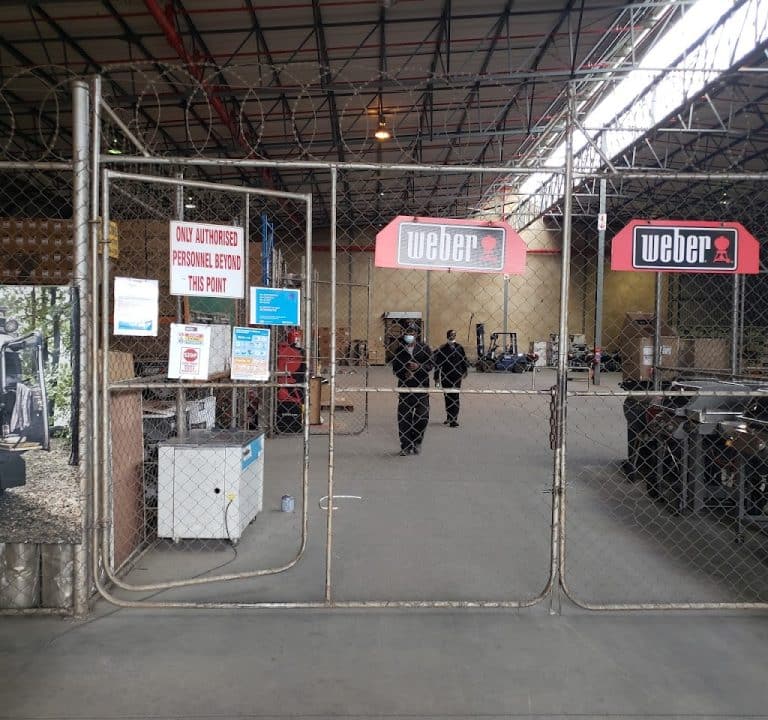
Weber-Stephen Products (South Africa) is a Grill store, Inverters and UPS establishment in Boksburg, Gauteng, South Africa
Weber South Africa: Overview of Grill Store Services and Customer Experience
Weber South Africa presents a comprehensive online storefront dedicated to Weber-style outdoor cooking, showcasing a wide range of charcoal, gas, electric, portable and pellet braais. The site highlights a diverse selection of iconic Weber models and accessories, including family favourites like the Master-Touch series, Original Kettle, and the more advanced Genesis and Summit lines. The presentation emphasises brand-wide appeal for enthusiasts seeking reliable grilling technology, superior build quality and a recognised breed of outdoor cooking equipment available within the South African market.
In terms of shopping experience, the site runs through a catalog-driven layout that categorises products by braai type and features individual product pages with details and options to compare or add to a shopping cart. Visitors can browse through current offerings, view variants (such as colour options for certain kettle grills) and explore new launches and promotions. The page repertoire includes highlighted campaigns, new product launches, and seasonal incentives designed to engage customers and widen exposure to the Weber range in South Africa.
The platform places emphasis on online engagement and timely sales events. Pinned sections promote adventure-ready outdoor setups and patio-focused solutions, including new launches such as Q-series portable grills, griddles and premium carts. Promotional content encourages customers to register for campaigns and to explore featured products, signalling an active approach to e-commerce marketing and customer acquisition within the regional market.
Orders and delivery are presented via the e-commerce framework, with a notice noting a delivery schedule tied to a year-end period. Specifically, orders placed after a certain date are postponed to the new year, with deliveries resuming from early January when operations reopen. This guidance provides clear expectations around order processing windows and holiday-season logistics for South African shoppers, although exact delivery timelines outside this window are not detailed on the site.
Customer experience is shaped by a straightforward navigation structure and a product-forward storytelling approach. The site’s experiential language centres on “flavour upgrades” and “adventure-ready” setups, linking product categories to lifestyle imagery and the practicalities of outdoor cooking. While the content focuses on product availability, it subtly positions Weber as a premium choice within the South African grill market, aiming to meet both casual weekend grillers and more dedicated barbecue enthusiasts.
Typical job-type coverage on the site is product-led rather than service-led. The main activities apparent to visitors include selecting a braai type (charcoal, gas, electric, portable, pellet), exploring new releases, and purchasing directly through the online store. The platform does not appear to advertise on-site services such as bespoke installations, maintenance or in-person demonstrations, which suggests a primary emphasis on e-commerce transactions and online product information rather than service provision.
Practical tips for customers planning a Weber purchase in South Africa include:
- Review product type carefully to match cooking style: charcoal for traditional barbecue flavour, gas for convenience and precise temperature control, electric where ventilation or electricity is preferred, and pellet options for nuanced smoke profiles.
- Explore campaign pages and new-launch sections to catch promotions, which frequently feature new models or accessories.
- Check for associated accessories and carts when selecting a grill, as many products are paired with stands or premium carts in the presented offerings.
- Note delivery timelines around peak seasons as indicated by the site’s holiday-related delivery notice to avoid delays.
- Compare similar models across the Weber range using the site’s built-in comparison feature to identify key differences in price, size, and capabilities.
Geographically, the site serves the South African market, with the broader category focus reflecting enthusiasm within Gauteng and other regions for outdoor cooking gear. While the exact store location, hours or in-person service details are not explicit on the site, the emphasis remains on online product access and regional campaigns designed to support local customers in their Weber grilling journeys.
Overall, Weber South Africa’s online presence presents a clear, product-centric shopping experience, anchored by a premium brand narrative and timely promotional content. The emphasis is on convenient online purchasing, a broad product range, and seasonally adaptive marketing, aligned with the needs of grill enthusiasts in South Africa seeking quality Weber equipment.
Boksburg
Gauteng
South Africa


Sorry, no records were found. Please adjust your search criteria and try again.
Sorry, unable to load the Maps API.
Grill Store, Inverters and UPS Services in Boksburg, Gauteng
In Boksburg, Gauteng, customers commonly encounter a range of services centred on power reliability and efficient energy management. Suppliers in this sector typically offer advice and products for backup power, uninterrupted operation and energy optimisation. The focus is on practical solutions that ensure critical equipment remains operational during interruptions, while enabling everyday appliances to function smoothly during load shedding or grid fluctuations.
Typical offerings include the sale of various inverter systems and uninterruptible power supply (UPS) units suitable for both domestic and small commercial use. Inverters convert stored electrical energy into a usable form to power household circuits, while UPS units provide immediate, short-term power to protect sensitive electronics from sudden outages. The portfolio often spans compact, affordable models for home offices to larger configurations designed to support essential loads in small businesses. In many cases, customers may also encounter supplementary equipment such as surge protectors, battery chargers and monitoring accessories that help optimise performance and extend system life.
Installation and commissioning are common service facets. Trained technicians assess the electrical load, available space, and ventilation requirements before selecting an appropriately sized system. Considerations typically include the total wattage of devices to be powered, the desired runtime during an outage, battery chemistry (for example, lead-acid or lithium-ion), and the charging characteristics of the chosen inverter or UPS. Proper installation emphasises safe cable routing, secure mounting, correct earthing, and compliance with local electrical regulations. Post-installation testing confirms that the system delivers the expected backup duration and that automatic transfer switches engage reliably when power is lost.
Maintenance and on-going support are valued components of the service mix. Regular checks may cover battery health indicators, firmware or software updates, connection integrity, and visual inspections for signs of wear or overheating. Battery replacement intervals are influenced by chemistry, usage patterns and ambient temperature; some providers offer guidance on best practices for storage, charging routines and safe disposal at end of life. A reliable service partner often offers warranty coverage, helping to manage component defects and ensuring access to spare parts or skilled repairs if issues arise.
Practical considerations for customers include the layout of the installation area, with attention to ventilation and heat dissipation. Battery storage should be kept away from moisture and extremes of temperature, and space planning should allow for easy access during maintenance. Electrical safety, permitting requirements, and the involvement of licensed electricians are important factors in the project timeline and cost. In urban Gauteng settings, delivery logistics and site access can influence lead times, while local incentives or utilities’ misalignment with feed-in arrangements may affect long-term operating costs.
For many buyers, choosing between grid-tied or off-grid configurations depends on reliability needs, budget, and future expansion plans. Inverters and UPS units are commonly paired with existing electrical panels and may integrate with solar power systems where present. The goal is to provide a seamless bridge between mains supply and stored energy, enabling continuous operation of critical devices and reducing downtime during interruptions. Clear expectations regarding performance, service levels, and maintenance commitments help ensure that the chosen system remains dependable under varying load conditions and weather events typical to the region.
Overall, the market in Boksburg tends to offer a balanced mix of consultation, installation, and after-care services. Prospective buyers are advised to evaluate system size with practical use cases in mind, verify compliance with local electrical standards, and seek transparent information about warranties and maintenance arrangements before committing to a purchase.
If this is your business, please click the button below to claim it.
By claiming the listing, you will be able to edit it, and add your own text, images, videos and business hours
Please use this listing as an advertisement for your business. It is provided for Free.