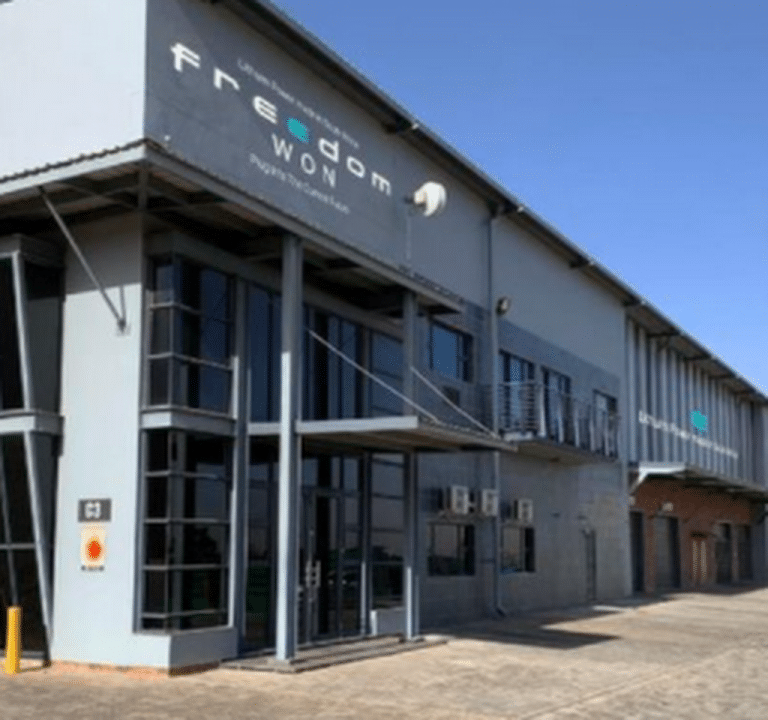
Valsa Trading & Sustainability Solutions is a Inverters and UPS, Solar energy company establishment in Roodepoort, Gauteng, South Africa
Valsa Engineering: Inverters, UPS and Solar Mounting Solutions for South Africa
Valsa Engineering presents itself as a longstanding player in South Africa’s solar sector, specialising in robust mounting solutions designed for local conditions. With more than 16 years of experience, the company emphasises practical, real‑world knowledge of South African roofs and environmental factors. The core offering focuses on locally manufactured mounting structures that are designed to withstand the climate and roofing varieties found across the region.
Typical offerings span a full system range for solar installations, including roof, ground, and carport mounting solutions. The portfolio is positioned to cater to projects of varying size, from small residential rooftops to larger commercial or industrial undertakings. All mounting solutions are described as designed for South African roofs and subjected to structural testing in line with recognised safety standards. The emphasis on local manufacturing ensures stock availability and quicker turnaround times, which is particularly valuable for installers working to tight project timelines.
The product family is organised around several mounting categories:
- Roof Mounting Solutions – A complete range supporting more than 15 roof types, with options for penetrative and non-penetrative installation. The systems are described as warranty‑safe and SANS compliant, reflecting a focus on reliability and regulatory alignment for residential and commercial roofs alike.
- Carport Mounting Solutions – Flexible, cost‑effective mounting options that accommodate both aluminium and steel construction. These solutions are geared towards installers seeking versatile canopy structures for solar panels, suitable for carport applications across various project scales.
- Ground Mounting Solutions – Robust systems designed for ballast or row configurations, intended to deliver secure and efficient ground‑level solar installations. These are aimed at projects where ground mounting is preferable or required due to space or shading considerations.
- Floating Solar Mount Solutions – HDPE structures for water‑based installations, addressing scenarios where ground space is limited or where water bodies are utilised for solar generation.
- Facade & BIPV Mount Solutions – Solutions that integrate solar panels into architectural envelopes, suitable for high‑rise buildings and facade installations that blend with the building design.
- Tensile Solar Mount Solutions – Internationally patented systems intended for complex terrains and specialised applications across the African market, reflecting innovation in structural mounting where conventional solutions may be challenged by geometry or access.
- Solar Tracker Solutions – Advanced single and dual axis trackers offering higher energy capture, paired with precision engineering for reliable performance in varied conditions.
The company promotes a partner‑driven approach, inviting installers and organisations to join its network. The benefits highlighted for partners include increased visibility via accreditation on the company’s platforms, access to partner‑only technical sessions, preferential pricing and payment terms, and access to a dedicated Solar Project Calculator for accurate layout and material planning. Direct access to a technical team for layout reviews, load verification, and product selection guidance is described as a key support feature for registered partners.
The overarching customer experience conveyed is that of a technically oriented, locally grounded supplier that seeks to streamline project planning and execution for solar mounting. The emphasis on in‑house engineering, local stock, and comprehensive product ranges is aimed at reducing lead times and improving installation confidence for installers working within South Africa’s diverse roofing environments.
Practical considerations for customers and installers include planning for roof type compatibility, choosing between penetrative versus non‑penetrative options, and selecting the appropriate mounting category—roof, ground, carport, floating, or BIPV—based on site characteristics and project goals. For more complex deployments, leveraging the Solar Project Calculator and engaging with the technical team can help ensure configurations meet structural and regulatory requirements while maximising performance.
In terms of accessibility and service area, the focus is on the South African market, with an emphasis on locally engineered solutions that address roof variety and climate. While specific business hours and the exact service footprint in Gauteng or Roodepoort are not detailed in the available material, the emphasis remains on nationwide stock, local manufacturing, and a partner ecosystem designed to support installers throughout the country.
For customers seeking practical guidance, it is sensible to gather details about roof type, mounting preferences (penetrative or non‑penetrative), project scale, and whether ground, carport, or elevated installations are contemplated. Engaging with the partner network can unlock technical training, project planning tools, and expert input to help ensure mounting configurations are compliant, optimised, and ready for efficient deployment.
Roodepoort
Gauteng
South Africa


Sorry, no records were found. Please adjust your search criteria and try again.
Sorry, unable to load the Maps API.
Inverters and UPS: Solar Energy Services in Roodepoort, Gauteng
In Roodepoort, Gauteng, businesses and residences increasingly rely on inverters and uninterruptible power supplies (UPS) to safeguard continuous operation and energy resilience. Local providers in this sector typically offer a range of services designed to support the installation, maintenance and optimisation of power systems that combine solar energy with storage and grid interaction. The focus is on ensuring reliable power during outages, managing energy costs, and facilitating a smooth transition to solar-based electricity.
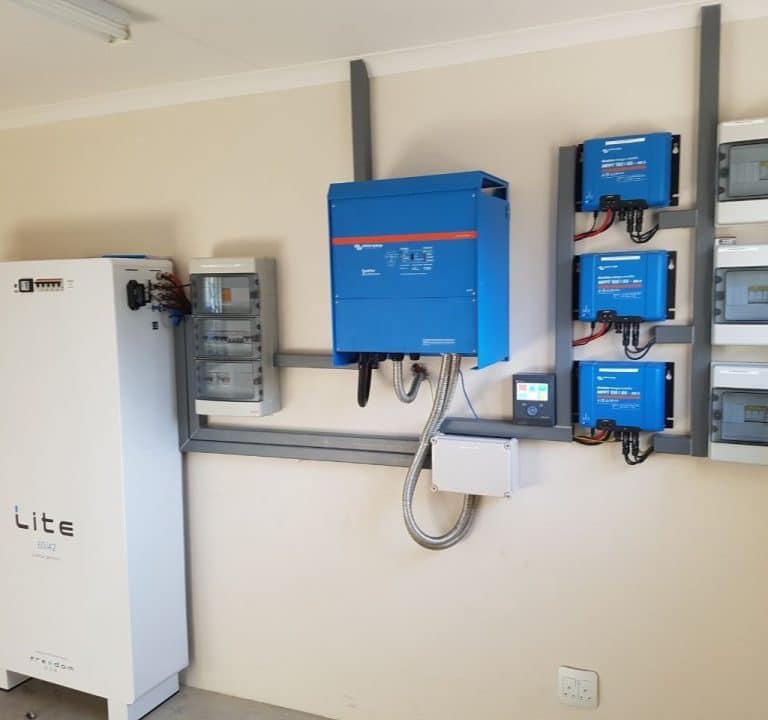
Customer expectations in this market centre on practical, customisable solutions. Initial assessments often involve evaluating current electrical loads, site conditions, and available solar exposure. From there, configurations are proposed to balance daytime solar generation with stored energy for use in evenings or during grid interruptions. The resulting systems may incorporate solar panels, an inverter to convert DC to AC, a battery bank for energy storage, and a UPS to bridge any brief supply gaps. The aim is to deliver a dependable power supply while optimising energy efficiency and cost savings over time.
Typical services fall into several broad categories. Design and consultation cover feasibility studies, load analysis, and system sizing to match occupancy patterns and operating hours. Equipment selection focuses on reliable inverters and UPS capable of handling varying power factors, surge loads, and nutation from the electrical network. Installation services include mounting, wiring, protective devices, grounding, and integration with existing electrical infrastructure. Commissioning ensures correct operation through testing of transfer times, battery performance, and system alarms. Ongoing maintenance may involve performance monitoring, routine testing, battery conditioning, and replacement planning as components reach end-of-life.
Practical considerations accompany every project. The local climate and South Africa’s solar potential influence equipment choices, with attention to battery technology, warranty terms, and environmental conditions. Users should consider the depth of discharge, cycle life, and charging profiles when selecting storage solutions. The perceived value of an inverter or UPS is closely tied to reliability, efficiency, and the ability to sustain critical loads without noticeable interruption. Noise, heat dissipation, and physical footprint are additional factors to be weighed in site planning. Regulations and electrical standards in Gauteng guide safe installation, and adherence to these rules is essential for long-term performance and compliance.
Regarding operation, inverters are designed to convert collected solar energy into usable alternating current, supporting both grid-tied and off-grid configurations. UPS devices act as short-term power buffers, allowing sensitive equipment to operate without interruption during transient faults or switching events. When integrated with solar storage, these systems can prioritise essential loads, optimise time-of-use energy, and provide continuity during grid outages. The setup typically includes monitoring interfaces that alert on battery levels, inverter health, and system faults, enabling proactive maintenance and rapid response to issues.
Customers in Roodepoort can expect a focus on reliability and aftercare. Service providers often emphasise system resilience, including rapid fault diagnosis, preventative maintenance planning, and transparent reporting on performance metrics. Financial considerations, such as projected payback periods, return on investment, and potential tax or incentive implications, are commonly discussed, though exact figures depend on individual circumstances and current policy frameworks. The overarching goal is to deliver a practical, scalable energy solution that enhances security of supply and supports sustainable energy usage.
In summary, Inverters and UPS services in Roodepoort, Gauteng, cover a spectrum from initial assessment and design through installation, commissioning, and ongoing maintenance. The emphasis remains on dependable operation, efficient energy utilisation, and resilient power for homes and businesses within this dynamic South African market.
If this is your business, please click the button below to claim it.
By claiming the listing, you will be able to edit it, and add your own text, images, videos and business hours
Please use this listing as an advertisement for your business. It is provided for Free.