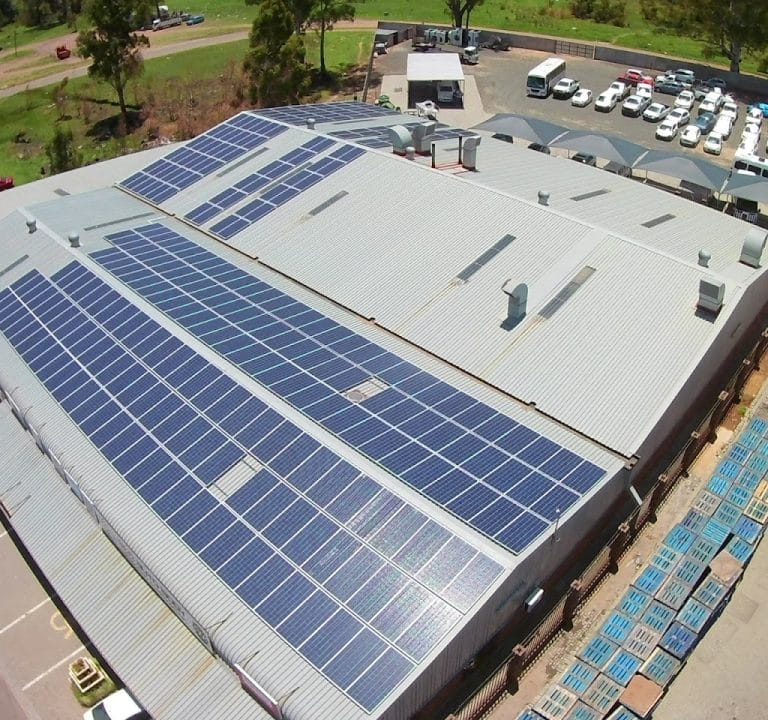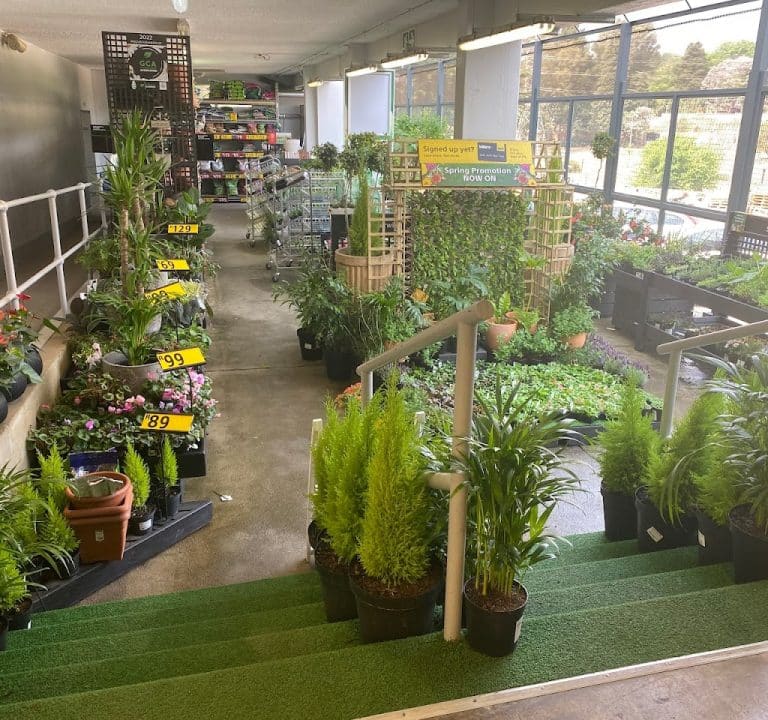

The Power Store is a Inverters and UPS, Solar energy company establishment in Sandton, Gauteng, South Africa
The Power Store: Inverters and UPS, Solar Energy Company
The Power Store operates as a business‑to‑business supplier specialising in solar power components and related energy equipment, with a focus on inverters, uninterruptible power supplies (UPS), and solar panels. The company presents itself as a wholesale supplier that supports larger purchases through tiered discounts automatically applied at checkout, aiming to appeal to organisations undertaking bulk procurement for solar projects or backup power systems. The product offerings frequently feature major solar brands and high‑capacity panel modules, described through example listings that include high‑wattage N‑type TOPCon modules, bifacial designs, and double‑glass frames. This positions The Power Store as a source for both standard and higher‑end solar hardware intended for commercial or industrial projects, as well as for businesses seeking reliable stock for project timelines.
In terms of customer service and ordering, The Power Store highlights practical logistics arrangements relevant to project planning. Free shipping is advertised to major centres, and heavy or oversized items are priced with competitive rates, suggesting convenience for organisations coordinating freight to multiple sites. The wholesale model is reinforced by VoIP contact for quotations and assistance, indicating a channel that supports bulk buyers with pricing decisions, stock availability, and delivery arrangements. The presence of “Locations” noted as West Rand and Cape Town in the content signals geographic reach beyond a single locale, with emphasis on South Africa’s major urban hubs where commercial energy projects are common.
From an external perspective, the shopping experience appears designed around self‑serve ordering with numeric pricing displayed for individual products, while still offering personalised support for larger orders. The site presents detailed product pages for solar modules, including specification highlights such as efficiency, wattage, frame design, and connector types. This level of information supports professional buyers in comparing modules for suitability in specific projects, such as roof installations or ground‑mounted arrays, though the precise project types are not explicitly enumerated on the public content.
Customer interaction is described through several touchpoints: an online cart with discount tiers, a VoIP contact number for direct queries, an email address for sales assistance, and prompts to engage via chat for real‑time help. The cart and checkout experience appears geared toward business purchasers, with emphasis on bulk pricing, stock levels, and shipping options. While precise service level agreements or warranties are not detailed in the available content, the combination of wholesale pricing, stock listings, and regional delivery hints at a business‑focussed service model designed to support ongoing solar equipment supply rather than consumer‑level sales alone.
Typical job types or project scopes implied by the content are aligned with wholesale procurement of solar panels and related components suitable for commercial energy systems. The product range includes a variety of high‑performance modules from reputable manufacturers, suggesting work across intervals such as sourcing, quantity planning, and timely delivery for solar installations or UPS‑based backup systems. Requests are likely to involve bulk quotes, stock checks, and logistics planning to meet project timelines, with orders fulfilled from stock held in the company’s distribution network.
Practical tips for customers
- Leverage tiered discounts by aligning purchase value with the B2B pricing structure at checkout to maximise savings on large orders.
- Confirm shipping arrangements to the appropriate major centre and verify freight rates for heavy or oversized items prior to purchase.
- Check stock levels for the exact module type and wattage required, noting that high‑wattage N‑type TOPCon and bifacial modules may have varying lead times.
- Use the available VoIP number or email to obtain quotes, stock availability, and delivery timelines, especially for larger or urgent projects.
- Keep track of model specifications (efficiency, frame type, connectors) to ensure compatibility with existing systems or installation plans.
Business hours are referenced as providing responses to enquiries, indicating that staff are available to respond to messages during normal operating periods. The service area includes West Rand and Cape Town as stated locations, with free shipping to major centres, which implies practical coverage across key South African urban regions for project procurement and equipment delivery.
For potential customers and project planners considering The Power Store, the site presents a straightforward route to acquire solar components and related energy equipment through a wholesale channel, supported by online product detail pages and direct communication options to assist with bulk orders and logistics planning.
Sandton
Gauteng
South Africa
Sorry, no records were found. Please adjust your search criteria and try again.
Sorry, unable to load the Maps API.
Inverters and UPS Services for Solar Energy in Sandton, Gauteng
In Sandton, Gauteng, access to reliable power remains a priority for homes and businesses alike. Inverters and uninterruptible power supply (UPS) systems, often paired with solar energy solutions, provide practical responses to load shedding, grid instability, and rising electricity costs. Local providers typically offer a range of services designed to support installation, maintenance, and ongoing operation, ensuring systems function effectively when it matters most.
Providers in this sector commonly assist customers from initial consultation through to post-installation support. The process generally begins with an assessment of energy needs, including daily consumption patterns, critical loads, and the expected duration of outages. This helps determine appropriate inverter capacity, battery storage requirements, and whether a hybrid or grid-tied solar arrangement best suits the site. In the Sandton area, where commercial premises often require higher reliability, capacity planning frequently emphasises resilience for essential equipment and business continuity.
Inverters and UPS services typically cover several core functions. Installation involves selecting suitable equipment—such as string inverters for solar arrays and modular UPS units for critical circuits—and integrating them with existing electrical systems. The setup may also include charge controllers, battery banks, and monitoring interfaces that provide visibility into performance, state of charge, and health indicators. After installation, routine maintenance includes checks on battery health, inverter thermal performance, firmware or software updates, and testing of automatic transfer switches to ensure seamless transitions during outages.
Customers can expect guidance on practical considerations that influence performance and total cost of ownership. Battery technology, for example, affects longevity and depth of discharge; high-quality options commonly used in the region prioritise safety, efficiency, and compatibility with solar charging. System siting is another factor, with attention paid to ventilation, protection from temperature extremes, and secure mounting for outdoor components. Local climate, demand charges, and possible municipal incentives can also shape the design and financial viability of projects.
Operational expectations in Sandton often include a focus on reliability, efficiency, and remote monitoring. Many service providers offer ongoing monitoring and diagnostic services that alert managers to potential issues before they impact operations. This can extend to remote fault detection, energy usage analytics, and performance reporting. For commercial customers, there is often an emphasis on ensuring critical loads—such as data centres, point-of-sale systems, security infrastructure, and lighting—remain powered during grid interruptions.
Practical considerations extend to regulatory and safety aspects. Proper electrical compliance, adherence to local electrical codes, and professional installation standards are emphasised to minimise risk and ensure warranty coverage. Maintenance plans frequently include periodic testing of UPS batteries, inverter efficiency checks, and inspection of cabling and protection devices. Training for on-site personnel may also be available to enable routine operation and basic troubleshooting between service visits.
Inverters and UPS services in Sandton, Gauteng, reflect a balanced approach to energy resilience and sustainability. By combining solar generation, intelligent energy storage, and reliable power management, businesses and households gain greater control over electricity supply, with the flexibility to scale as energy needs evolve. Prospective customers are encouraged to undertake a practical assessment of site conditions, load priorities, and cost considerations to determine a solution that aligns with performance expectations and long-term value.
- Site assessment and energy needs analysis
- System design for inverters, UPS units, and battery storage
- Installation and electrical integration
- Maintenance and health monitoring
- Remote diagnostics and performance reporting
- Training and operational guidance
If this is your business, please click the button below to claim it.
By claiming the listing, you will be able to edit it, and add your own text, images, videos and business hours
Please use this listing as an advertisement for your business. It is provided for Free.