

no-image
Summit Renewables is a Energy equipment and solutions, Inverters and UPS establishment in Centurion, Gauteng, South Africa
Summit Renewables: Renewable energy solutions in Centurion, Gauteng
Summit Renewables operates in the Energy equipment and solutions sector, with a focus on inverters, solar technology and related ancillary systems. Based in Centurion, Gauteng, the company presents itself as a versatile partner for both residential and commercial energy needs, emphasising custom design and delivery of renewable energy projects across a range of scales. The firm highlights a modular approach to system design, aiming to tailor installations to each client’s consumption patterns, budget and tariff conditions.
The core services span the full lifecycle of renewable energy projects. From initial feasibility and concept design to procurement, installation, commissioning and post-installation performance monitoring, Summit Renewables positions itself as a one-stop provider. The offering includes site audits, energy consultations and training, underscoring a commitment to practical knowledge transfer alongside technical implementation. A notable component is the emphasis on aftercare—pre- and post-installation power monitoring to understand consumption profiles and refine ongoing usage patterns.
In terms of technical capabilities, the company markets itself as not bound to a single product line but rather as a sourcing and testing partner. This philosophy supports a broad spectrum of technologies, including Solar PV, solar thermal, wind power and a range of energy and efficiency equipment. The portfolio includes off-grid renewable energy systems capable of serving domestic DIY projects up to multi-megawatt commercial installations. This breadth is framed around delivering reliable, cost-effective energy solutions while adapting to the specific constraints and requirements of each client.
Project management and feasibility are presented as integral offerings. Summit Renewables advertises project management services that cover planning, risk management, budgeting and quality control. Past work cited in public materials includes domestic, agricultural and international contexts, suggesting experience across multiple sectors. The company also references monitoring tools and electronic equipment designed to profile and advise on consumption, helping clients identify strategies to reduce demand and optimise energy use within tariff structures.
Project case studies and portfolio items indicate substantial activity in grid-connected, hybrid and off-grid configurations. The works include university campuses, government heritage sites and industrial facilities, often incorporating dual-axis trackers, single-axis trackers and a mix of solar modules with inverters and storage solutions. The emphasis across these case studies is on achieving measurable yield and performance, with daily and annual generation figures used to demonstrate the effectiveness of implemented systems.
Customer experience appears to be shaped by on-site assessments conducted by Summit personnel, with emphasis on careful design choices aligned to environmental and economic constraints. The approach includes selecting a balance of technologies and configurations to suit budget and performance targets, rather than pushing a single brand or product. This pragmatic stance may help clients navigate the complexities of renewable energy procurement, installation and ongoing management.
Typical job types referenced in the materials include residential grid-tied and off-grid setups, building-integrated systems for homes, and larger grid-tied or hybrid projects for organisations such as campuses and facilities requiring back-up power or energy efficiency optimisations. The projects are described as requiring a blend of engineering, project management and monitoring to ensure the system operates safely and delivers the expected energy savings.
Practical tips for potential customers include arranging a detailed on-site audit to capture consumption patterns and tariff considerations before selecting a system type. It is advised to consider post-installation monitoring as part of the project, to verify performance against design assumptions and to identify opportunities for energy efficiency improvements. When planning a project, it can be beneficial to review available data on energy usage, peak demand, and potential financing or incentive options, which can influence the most appropriate technology mix and system size.
Location and service area are anchored in Centurion, with projects and operations described across Gauteng and other parts of South Africa. The company maintains a local presence at Bondev Office Park, Eldoraigne, Centurion, signalling proximity to clients in the northern Gauteng corridor while offering scalable capabilities for a broader regional footprint.
Overall, Summit Renewables presents as a practical, outcomes-focused partner for energy equipment and renewable solutions. By combining design, monitoring, project management and a broad supply network, the organisation aims to deliver customised systems that align with client needs, while emphasising performance measurement and ongoing optimisation.
Centurion
Gauteng
South Africa

no-image
Sorry, no records were found. Please adjust your search criteria and try again.
Sorry, unable to load the Maps API.
Energy Equipment and Solutions, Inverters and UPS in Centurion, Gauteng
<pAcross Centurion and the wider Gauteng region, businesses and households rely on robust energy equipment and power protection solutions to manage electricity supply and demand. The focus in this area centres on reliable inverters, uninterrupted power supplies (UPS), battery storage options, and allied services that enable continuity of operations, data integrity, and comfort during outages or fluctuating grid conditions. Providers typically offer practical, long‑term strategies tailored to local demand, climate, and infrastructure, with emphasis on ease of installation, maintenance predictability, and compliant safety practices.
<pIn Centurion, customers can expect a range of services that cover assessment, design, installation, and ongoing support. Initial consultations commonly involve a site appraisal to understand load profiles, critical equipment, and backup duration requirements. Detailed calculations help determine the appropriate size of inverters, UPS units, and battery banks, as well as whether hybrid arrangements or solar integration would be beneficial. The emphasis is on solutions that can respond quickly to power interruptions while minimising loss of productivity and data risk.
Inverter and UPS systems are typically deployed to bridge short outages or to smooth irregular power quality. In practice, customers may encounter:
- Power protection for business-critical equipment such as servers, networks, point‑of‑sale systems, and essential manufacturing controls.
- Battery-backed UPS configurations for rapid shutdown avoidance, protected data storage, and seamless system handover during grid disturbances.
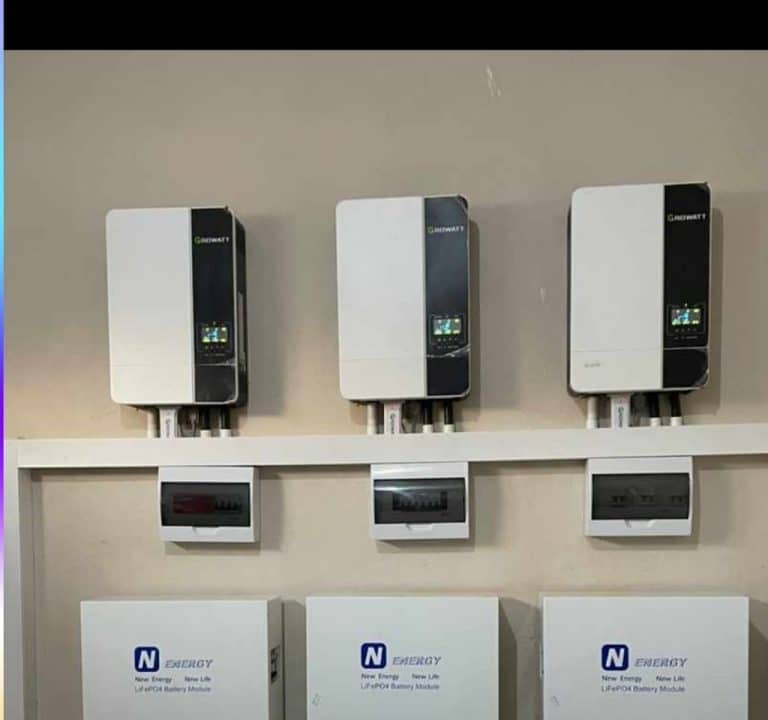
- Standalone and modular inverters designed to convert stored energy into usable AC power, with options for parallel operation to increase capacity.
- Energy storage solutions that harness batteries to store excess energy for later use, potentially integrating with on‑site generation where available.
- Systems designed to transition automatically from mains to backup power, minimising human intervention and risk of error.
Practical considerations during project planning include site access, ventilation for battery rooms, cable routing, and compliance with electrical regulations. Maintenance planning is another cornerstone, focusing on battery health checks, inverter firmware updates where applicable, and routine thermal management. Service providers typically offer optional ongoing servicing agreements that cover preventive inspections, fault diagnostics, and rapid response in the event of equipment failure. This helps reduce downtime and supports predictable budgeting.
When selecting a partner in Centurion, clients often weigh factors such as lead times, compatibility with existing electrical systems, the ability to upgrade or expand capacity, and the availability of a local service network. Clear documentation is valued, including system diagrams, warranty terms, and maintenance schedules. A professional installer will also address safety considerations, ensuring that equipment is correctly rated for the expected loads, that battery rooms meet ventilation and fire safety standards, and that all installation practices align with national and regional regulations.
Overall, the market in Centurion presents practical, outcome‑focused energy solutions designed to keep essential operations running through power interruptions and to optimise energy usage. Potential users can expect consultative support, careful engineering, and reliable equipment configurations that balance cost with resilience. The emphasis remains on straightforward operation, scalable design, and dependable after‑sales assistance to sustain business continuity in Gauteng’s dynamic energy environment.
If this is your business, please click the button below to claim it.
By claiming the listing, you will be able to edit it, and add your own text, images, videos and business hours
Please use this listing as an advertisement for your business. It is provided for Free.