SOVRN Energy Pty Ltd (Solar PV & Backup/Storage Power Installer) is a Inverters and UPS, Solar energy company establishment in Cape Town, Western Cape, South Africa
SOVRN Energy: Solar PV and Backup/Storage Solutions in Inverters and UPS
SOVRN Energy Pty Ltd operates within the broader SOVRN Group, based in Cape Town, Western Province. The business places emphasis on energy-related services, identifying Solar and Back/Storage as core specialities. While information publicly available highlights the company’s involvement in Solar and associated energy offerings, the focus described in customer materials points to installations and systems that align with inverter and UPS applications used to make solar deployments practical, reliable, and ready for everyday use in business and residential settings.
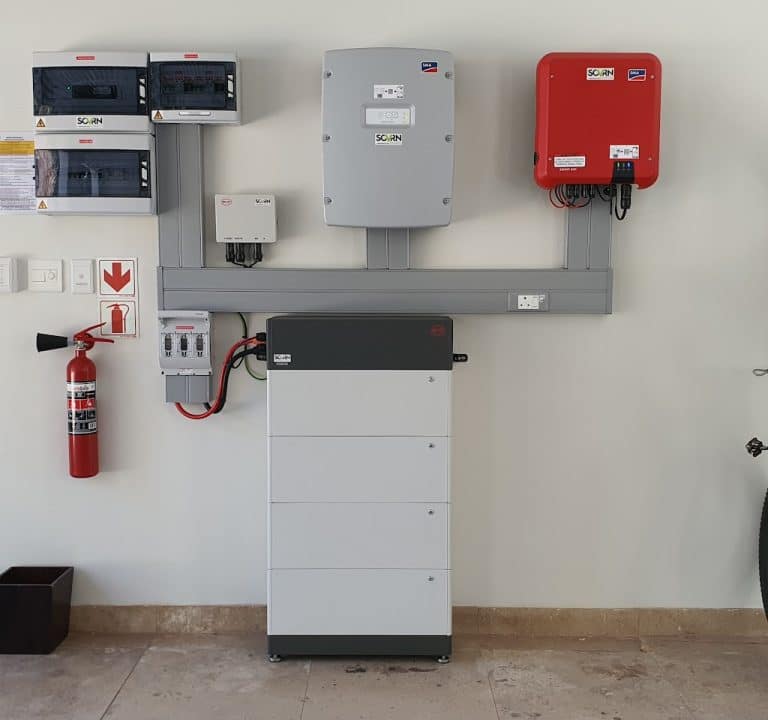
In the context of inverters and uninterruptible power supply (UPS) solutions, SOVRN Energy is presented as a supplier and installer who can address the practical needs of customers seeking to convert solar potential into dependable, usable power. The referenced scope across the broader energy offering indicates an emphasis on systems that manage solar generation, storage, and the ability to maintain power continuity during interruptions. This aligns with typical industry expectations for Solar PV installations coupled with battery storage and back-up capabilities, including equipment that converts DC from solar modules to usable AC, manages storage, and protects sensitive equipment from outages.
Typical job types fall within the common categories associated with solar and backup installations. These include initial site assessments to determine energy requirements and feasible storage configurations, system design focused on inverter selection and battery capacity, and the installation of Solar PV arrays alongside back-up storage solutions. Projects of this nature often require coordination with electrical standards and safety practices, electrical panel integration, and commissioning of inverters, charge controllers, and battery management systems. The aim is to deliver an efficient energy system that can operate critical loads during power interruptions and optimise daytime generation for evening use or grid-tied operation when appropriate.
The service approach, as reflected in the business’ positioning, suggests a preference for practical, solution-driven outcomes rather than unproven claims. The company’s stated orientation toward sustainable, “built to last” offerings implies a focus on durability, reliability, and performance in challenging environments. Given the Cape Town location and Western Cape service area, projects are likely to consider local climate and grid considerations, including energy security for business operations and residential needs.
How requests usually work, based on industry norms for this sector and the information provided, typically follows a structured pathway: an initial enquiry to outline energy goals and site conditions, a technical assessment or site visit, and a proposal that specifies equipment options (inverters, storage solutions, and associated hardware). Once a design is agreed, installation is scheduled, followed by testing, commissioning, and handover with basic operational guidance. For customers, this often includes information on maintenance requirements, system monitoring, and potential future enhancements as energy needs evolve.
Practical tips for customers considering SOVRN Energy’s offerings include the following ideas. First, gather a clear picture of daily energy needs, including critical loads that must stay powered during outages, and peak daytime usage. This helps in selecting the appropriate inverter rating and battery capacity. Second, review the potential for hybrid configurations that combine solar generation with battery storage to optimise usage and minimise reliance on the grid. Third, check warranty terms, service support options, and any maintenance plans for inverters and storage components to ensure long-term reliability. Fourth, consider expansion potential, as scalable storage solutions can accommodate growth in energy demand or additional solar capacity in the future. Fifth, ensure that the design aligns with local electrical regulations and safety standards for domestic or commercial installations in the Western Cape.
Key local information that can assist planning includes the stated Cape Town location and Western Province coverage. While specific business hours or visiting times are not detailed in the available sources, planning visits during standard business hours can ensure access to technical staff and on-site assessments. If in doubt, preparing a few time windows for site visits can help accommodate availability and enable timely project progression.
Overall, SOVRN Energy presents itself as a regional player with a broader business umbrella focused on energy, including Solar and Back/Storage, with a clear orientation toward practical, durable solutions. For potential customers in the Cape Town area seeking reliable inverter and UPS-enabled solar storage installations, SOVRN Energy appears positioned to deliver end-to-end services—from assessment and design through installation and commissioning—within a framework aimed at sustainable, long-lasting performance.
Cape Town
Western Cape
South Africa


Sorry, no records were found. Please adjust your search criteria and try again.
Sorry, unable to load the Maps API.
In the Cape Town region of the Western Cape, a steady demand exists for reliable energy solutions that combine inverters, uninterruptible power supplies (UPS) and solar energy systems. Local providers offer services that span assessment, installation, commissioning and ongoing maintenance, aimed at ensuring continuity of power for homes, small businesses and light commercial operations. The landscape reflects a practical emphasis on resilience, efficiency and compliance with South African electrical standards.
Typically, the offerings cover three core areas: assessment and design, installation and commissioning, and monitoring and maintenance. Initial assessment involves evaluating electrical load profiles, peak demand, available roof or ground space for solar arrays, and site-specific considerations such as shading, orientation and prevailing weather patterns. From this information, a suitable combination of solar PV capacity, battery storage, inverters and UPS capacity is proposed to align with the client’s power needs and budget. The emphasis is on delivering a balanced solution that can bridge occasional grid interruptions and maximise self-consumption of generated solar energy.
Inverters and UPS systems form a critical portion of the service. Inverters convert the continuous DC energy produced by solar panels or stored in batteries into usable AC power for lights and appliances. UPS devices provide short-term, immediate power during a disturbance or outage, helping sensitive equipment such as servers, control systems and medical devices to remain operational while a longer-term power source takes over or the grid returns. Providers often tailor selections to the anticipated duration of outages, the mix of essential and non-essential loads, and the desired level of autonomy during load shedding. Hybrid configurations—combining solar input, battery storage and a dependable UPS—appear frequently in commercial and residential installations across the region.
Installation practices focus on safety, reliability and aesthetics. Installers outline cable routing, switchgear placement, and protection measures such as fuses, circuit breakers and proper earthing. Battery technology selection—such as lithium-ion or lead-acid types—depends on cycle life, space available and budget, with guidance given on safe handling, ventilation and temperature considerations. System commissioning ensures proper voltage, frequency, charging regimes and protective trip settings are aligned with local electrical codes and manufacturer guidelines. In many cases, the work is designed to be scalable, allowing for future expansion in line with growing energy needs or expanded solar capacity.
Maintenance and monitoring form an ongoing part of the service offering. Routine inspections check for wear, corrosion, loose connections and the integrity of protective devices. Diagnostics help identify potential faults before they cause outages, while firmware and controller updates may be applied where appropriate. Service plans can include periodic performance testing, battery health assessments and prompt repair or replacement of components subject to wear. For customers in areas subject to frequent power interruptions, service providers often emphasise response times and outage minimisation as part of a broader resilience strategy.
Practical considerations commonly addressed include electrical load prioritisation, battery replacement cycles, and the environmental footprint of the system. Location, accessibility and ventilation influence equipment placement, while weather exposure in coastal regions can affect corrosion risk and system longevity. Cost considerations are typically discussed in relation to total ownership, including installation, ongoing maintenance, battery replacement timelines and the potential for future upgrades to accommodate increased solar generation or storage capacity. With Cape Town's climate and intermittency of utility supply, many clients seek a coherent plan that integrates solar generation with reliable energy storage and a responsive UPS to support essential functions at all times.
- Site assessment and load analysis
- Solar PV system design and sizing
- Inverter and UPS selection and installation
- Battery storage integration and management
- Commissioning, testing and safety compliance
- Preventive maintenance and system monitoring
- Expansion planning for future capacity
If this is your business, please click the button below to claim it.
By claiming the listing, you will be able to edit it, and add your own text, images, videos and business hours
Please use this listing as an advertisement for your business. It is provided for Free.