Solarzone (Pty) Ltd is a Inverters and UPS, Solar energy company establishment in Cape Town, Western Cape, South Africa
Solarzone (Pty) Ltd — Inverters and UPS Services in Cape Town
Solarzone (Pty) Ltd operates as a specialist in solar energy solutions within the Inverters and UPS category, focused on delivering integrated, energy-efficient systems across commercial and industrial contexts. Drawing on a portfolio described as transforming spaces into efficient energy systems, the company combines photovoltaics, storage, and smart energy management to support operations with reliable, climate-conscious power solutions. The business philosophy emphasises full compliance with legal requirements and flexible operator models, enabling customised pathways for different organisational needs.
From initial concept to long-term operation, Solarzone outlines a structured service journey designed to support informed decision-making and durable performance. The feasibility and project potential phase involves site analysis and technical feasibility studies, alongside assessments of funding opportunities and the overall economic viability of projects. This early-stage work aims to provide robust information for decision-makers before committing capital to an energy transition.
Planning and concept development centre on designing an economical energy system tailored to the client’s site, including photovoltaic capacity, megawatt-scale storage, potential e-mobility needs (such as electric vehicles), and a smart energy management system. Technical design, sizing, and coordination with grid operators are highlighted, with preparation of permit and funding applications forming a critical part of the process. This stage seeks to align technical feasibility with regulatory requirements and funding mechanisms to streamline subsequent implementation.
The implementation and commissioning phase covers project management, technical execution, and commissioning activities. Emphasis is placed on demand-oriented configuration of all components and the integration of advanced energy management systems, ensuring that the installed solution meets operational expectations and aligns with the organisation’s shift towards more self-sufficient energy use.
For generation and operation, the focus is on optimising energy generation for self-consumption and grid integration. The approach includes protection against price volatility through flexible operator models and live electricity trading, supported by ongoing operational assistance from an experienced team. This indicates a service model that not only installs equipment but also supports ongoing performance optimisation and resilience in energy supply.
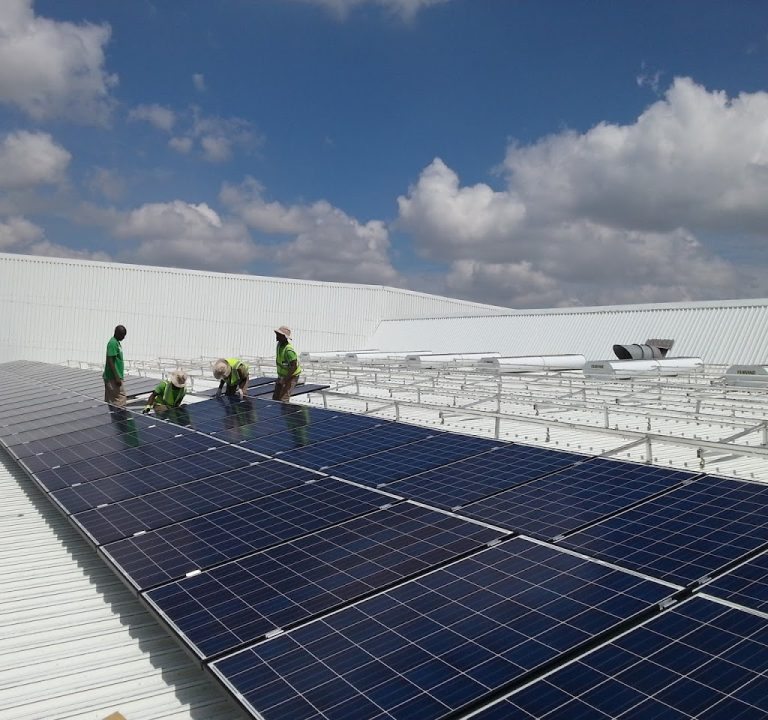
Specific deliverables span a broad range of installations and systems. Examples referenced include substantial photovoltaic capacity and roof-space utilisation strategies, paired with energy storage solutions and energy management systems. The project profiles suggest capability in both single-building applications and larger site deployments, with attention to aligning generation with self-consumption goals and available grid interfaces. The inclusion of climate-conscious outcomes—such as lower emissions and more sustainable energy utilisation—reflects an overarching aim to reduce carbon intensity while delivering reliable power.
In terms of customer experience, the information presented indicates a lifecycle-oriented service model. Clients receive guidance from feasibility through to operation, with a focus on aligning technical performance with economic viability. The organisation highlights a robust network and a history of substantial project delivery, suggesting that clients benefit from seasoned expertise and project-management capability across diverse contexts.
Typical project types referenced point to industrial and commercial energy needs, roof-space optimisation for self-generated power, and the integration of storage and smart management to stabilise energy costs. The services are designed to accommodate varied operating structures—whether the client purchases outright, collaborates through joint operation, or seeks ongoing development in partnership. This flexibility supports organisations aiming to optimise energy use either as stand-alone investments or as components of broader real estate or infrastructure strategies.
Practical tips for customers considering Solarzone’s offerings include starting with a clear understanding of site feasibility and potential funding sources, as early as possible in the process. Engaging with a detailed technical design and storage strategy can clarify requirements for grid coordination and permits. Clients should expect a collaborative approach to system sizing, with emphasis on aligning capacity with demand patterns to maximise self-consumption and mitigate exposure to electricity price volatility. Considering end-of-life support, such as maintenance and ongoing operational assistance, will aid long-term performance and cost control.
Solarzone’ s work appears to serve clients in the Western Cape and broader South African context by providing end-to-end energy solutions that integrate solar generation, storage, and intelligent power management. The emphasis on practical, implementable systems designed to operate efficiently within existing electrical infrastructures makes the company a notable option for organisations seeking resilient, climate-aware energy solutions in Cape Town and surrounding areas.
Cape Town
Western Cape
South Africa


Sorry, no records were found. Please adjust your search criteria and try again.
Sorry, unable to load the Maps API.
Inverters and UPS for Solar Energy in Cape Town, Western Cape
<pIn the Western Cape, solar energy companies often provide a range of services centred on inverters, uninterruptible power supplies (UPS), and broader energy storage and management solutions. These offerings are designed to support households, small businesses, and larger commercial sites by converting solar-generated DC electricity into usable AC power, stabilising supply, and safeguarding critical equipment during outages.
<pInverters form the core of most solar energy installations. They perform the essential task of converting the direct current produced by solar panels into alternating current suitable for standard electrical loads. In Cape Town’s climate, with varying solar irradiance and occasionally windy conditions, installers typically assess site-specific factors such as roof orientation, shading, and electrical capacity to determine the appropriate inverter type and size. This assessment helps ensure efficient energy conversion, reliable operation, and the ability to handle peak demand periods, including late afternoons when solar output may decline.
<pUPS systems complement inverters by providing immediate backup power and voltage regulation for critical circuits. In many Cape Town projects, a UPS acts as a bridge for essential loads during brief outages or transitions between power sources, reducing the risk of data loss, motor damage, or equipment downtime. For larger sites, UPS configurations may be integrated with the on-site battery storage and the grid to deliver a seamless and monitored power supply. The objective is to maintain continuity of service for clients who rely on computers, refrigeration, security systems, or production lines.
<pBeyond the core inverter and UPS components, solar energy providers in the region frequently offer an array of related services that address the full lifecycle of installation and operation. These typically include system design and engineering, equipment procurement, professional installation, configuration of monitoring and performance analytics, and commissioning. After installation, ongoing maintenance, periodic inspections, and firmware or software updates help sustain performance and safety. In some cases, service packages also incorporate battery management strategies, which optimise charging cycles, prolong battery life, and maximise usable energy during daylight hours and outages.
Customers can expect a consultative process that emphasises safety, compliance, and reliability. A typical engagement begins with an on-site assessment, followed by a proposal detailing the recommended inverter capacity, UPS configurations, and any associated energy storage needs. The installation usually involves electrical work performed by qualified technicians, adherence to municipal and national electrical standards, and a test phase to validate power quality, transfer times, and protective features such as surge protection and isolation equipment. Clear documentation, including system schematics and warranty information, is commonly provided for future reference and maintenance planning.
Practical considerations include climate resilience, local grid conditions, and the intended use of the system. In the Cape Town area, where grid instability can occur during load shedding, a well-designed setup aims to prioritise critical circuits, maintain charging stability for batteries, and manage simultaneous loads efficiently. Customers should consider the total cost of ownership, including upfront installation costs, battery replacement cycles, and potential savings from reduced reliance on municipal supply. It is also prudent to review service levels, response times, and access to spare parts and remote monitoring, which can influence uptime and long-term performance.
In summary, inverter and UPS services supplied by solar energy companies in Cape Town, Western Cape, focus on delivering dependable power conversion, rapid backup support, and integrated energy management. By addressing site-specific needs, safety standards, and ongoing maintenance, these services help both residential and commercial customers navigate the region’s energy landscape with greater resilience and renewables-based self-sufficiency.
If this is your business, please click the button below to claim it.
By claiming the listing, you will be able to edit it, and add your own text, images, videos and business hours
Please use this listing as an advertisement for your business. It is provided for Free.