Solar Engineering – Bloemfontein is a Inverters and UPS, Solar energy company establishment in Bloemfontein, Free State, South Africa
Solar Engineering Technology Pty Ltd — Inverters and UPS (Kimberley, Northern Cape)
Solar Engineering Technology Pty Ltd operates as a specialist solar and integration company with a focus on innovative energy solutions in Kimberley, Northern Cape. Established in 2012, the business positions itself around three core capabilities: solar system design, installation and integration, and ongoing maintenance and support. The emphasis throughout is on quality, transparency and ethical practice, underpinned by a team described as qualified engineers and electricians.
The company presents a holistic service offering designed to serve a range of energy needs for commercial, agricultural and residential clients. The design service concentrates on tailoring solar systems to meet individual energy demands, with attention to efficiency, sustainability, and long-term performance. This commitment to customised design suggests a structured approach to assessing load requirements, available space, and local conditions to ensure that the system delivers reliable, fit-for-purpose output.
Installation and integration are presented as a seamless process. The emphasis is on delivering a hassle-free experience for clients, supported by a meticulous approach intended to optimise system performance and durability. The combination of design and installation services indicates an end-to-end capability—from conceptualisation to on-site execution—with attention to the compatibility of components and the integration with existing electrical infrastructure.
Maintenance and support are highlighted as an ongoing element of the service offering. This suggests a post-installation relationship in which the company monitors system performance, conducts routine servicing, and addresses issues to preserve efficiency and reliability over time. Clients can expect a support framework that extends beyond the initial installation, which is particularly important for systems that require up-take of spare parts, firmware updates, or component replacements as needed.
In terms of project experience, the entity describes a history of more than 100 projects completed since inception. This level of activity signals practical familiarity with a variety of installation scenarios and client profiles. The description of a professional team consisting of engineers and electricians further reinforces the notion of technically capable delivery and adherence to safety and quality standards.
For those seeking information or engagement, the primary point of contact is the company’s sales channel. Inquiries are routed through a dedicated sales enquiry mechanism, accompanied by the organisation’s head office details in Kimberley. The address is listed as Corner of Main & Neale Street, 3-5 Neale Street, Kimberley, with a telephone line and a corporate web presence at www.solarengineering.co.za. This structure implies a clear pathway for prospective clients to initiate discussions about system design, feasibility, and quotations.
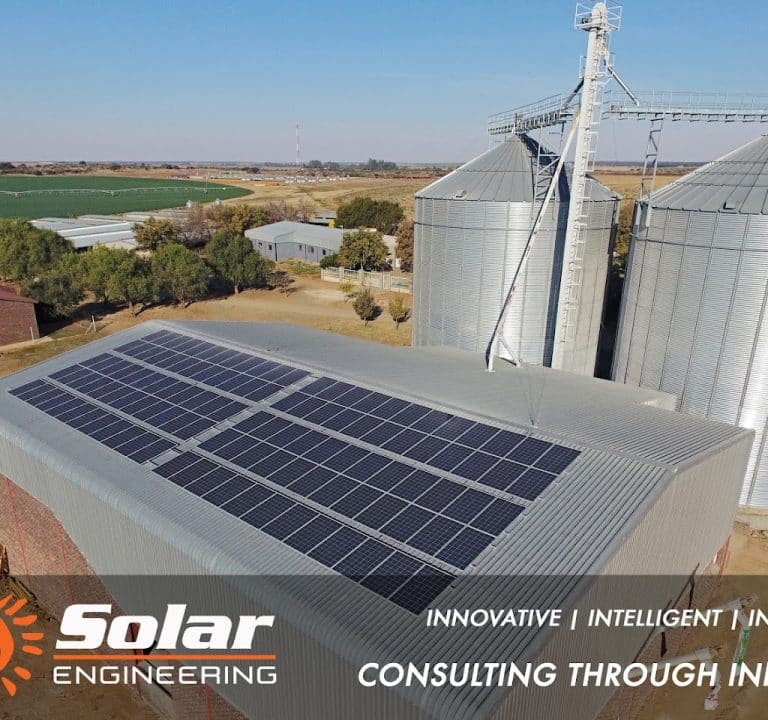
Typical projects for the firm span commercial, agricultural and residential sectors, reflecting the versatile application of solar energy solutions in diverse settings. The design philosophy emphasises efficiency and long-term performance, which is especially relevant for businesses seeking reliable energy supply, farms integrating solar during power outages or cost-sensitive households aiming to reduce electricity bills.
From a customer-experience standpoint, the emphasis on “seamless installation” and “comprehensive maintenance and support” suggests a service model centred on minimising hassle and maximising uptime. The combined focus on ethics and transparency also signals a business culture intended to foster trust, with an expectation of professional conduct and high-quality equipment selection.
Practical tips for customers
- Prepare a basic overview of daily energy consumption and peak demand to aid the design process.
- Ask for a phased plan if a full system upgrade proves costly; a staged approach can help manage capital expenditure while realising early energy savings.
- Clarify aftercare arrangements, including maintenance intervals, expected response times for faults, and what is covered under maintenance agreements.
- Request information on equipment warranties, system monitoring capabilities, and any available monitoring dashboards to track performance remotely.
- Check compliance with local electrical standards and confirm who holds the necessary permits and certifications for installation work.
Operational details such as business hours or the best time to visit are not explicitly stated on the publicly available materials. The company identifies Kimberley as its base and notes a focus on projects within the Northern Cape region, suggesting that on-site consultations are likely to be arranged by appointment through the sales channel.
Overall, Solar Engineering Technology Pty Ltd presents a professional profile centred on customised solar design, reliable installation, and enduring maintenance. The combination of engineering expertise and practical project experience positions the company as a capable partner for organisations and individuals seeking to harness solar energy in Kimberley and the broader Northern Cape area.
Bloemfontein
Free State
South Africa


Sorry, no records were found. Please adjust your search criteria and try again.
Sorry, unable to load the Maps API.
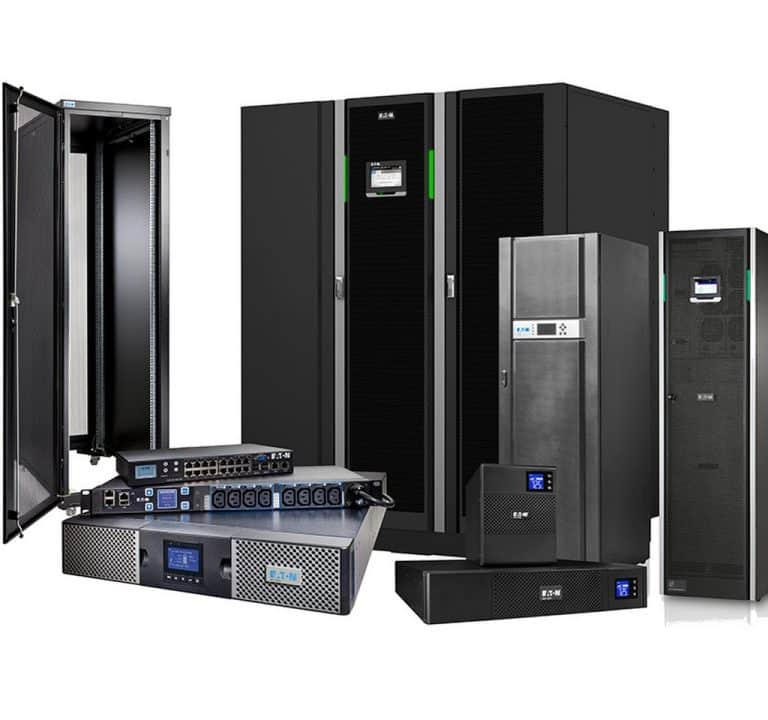
Inverters and UPS: Solar Energy Solutions in Bloemfontein, Free State
In Bloemfontein, the demand for reliable power management is growing as businesses and households seek to safeguard essential equipment from outages. Inverters and uninterruptible power supply (UPS) systems form a cornerstone of solar energy offerings in the Free State, delivering controlled electrical supply during interruptions and enabling efficient use of solar generation. These services address the practical realities of South Africa’s electricity landscape, where load shedding and voltage fluctuations can impact operations and comfort alike.
Typically, a solar energy company in Bloemfontein will assess a site’s power needs, space for installation, and the desired level of resilience before recommending an appropriate combination of inverters and UPS equipment. The core function of an inverter is to convert direct current (DC) produced by solar panels or stored in batteries into alternating current (AC) suitable for standard electrical appliances. A UPS, by contrast, is designed to provide immediate, surge-free power during a disruption, maintaining continuity for critical devices such as routers, servers, medical equipment, and essential lighting.
Customers can expect a range of options aligned with local conditions and regulatory considerations. Inverter sizes are selected to match typical load profiles, whether for a small business, a larger workshop, or a residence. Battery compatibility is a key factor; common choices include lead-acid and lithium-ion technologies, each with different longevity, depth of discharge, maintenance needs, and cost profiles. Some installations may pair grid-tied systems with hybrid capabilities, enabling solar surplus to offset daytime consumption while remaining connected to the public grid for backup power or export when policy and tariffs permit.
Practical considerations come to the fore during the planning and installation stages. Site assessments consider roof or ground mounting, shading, and panel orientation to optimise energy capture. The physical layout of electrical rooms, ventilation for battery storage, and cable management affect safety and performance. Open discussions about expansion plans, seasonal usage patterns, and data monitoring help tailor a system that balances capital expenditure with long-term energy savings. Local incentives, building codes, and electrical standards influence design choices and compliance requirements.
Installation typically involves configuring the inverter to the solar array and the battery bank, integrating the UPS to protect critical circuits, and ensuring that the system interoperates with existing electrical infrastructure. Testing and commissioning verify that power transfer is seamless during outages and that automatic switchover occurs without disruption. Ongoing maintenance commonly includes periodic battery checks, inverter firmware updates where applicable, and inspections of electrical connections and thermal performance. Inverter and UPS service providers emphasise reliability and safety, offering guidance on protected enclosures, fire safety, and battery handling best practices.
For organisations in Bloemfontein, the decision to implement or upgrade an inverter and UPS solution often considers flexibility for future solar growth, the reliability of local utility power, and the potential to support remote or off-grid regions. The right system delivers not only uninterrupted power but also the ability to optimise electrical usage, reduce energy waste, and preserve sensitive equipment. In the Free State’s climate and grid landscape, a carefully selected combination of solar generation, storage, and intelligent power management contributes to continuity, efficiency, and peace of mind for both commercial and residential customers.
- Key benefits include immediate power availability during outages, improved voltage stability, and better control over energy use.
- Common concerns involve battery lifespan, maintenance needs, and ensuring compatibility with existing electrical systems.
- Typical services cover consultation, system design, installation, testing, and ongoing support.
If this is your business, please click the button below to claim it.
By claiming the listing, you will be able to edit it, and add your own text, images, videos and business hours
Please use this listing as an advertisement for your business. It is provided for Free.