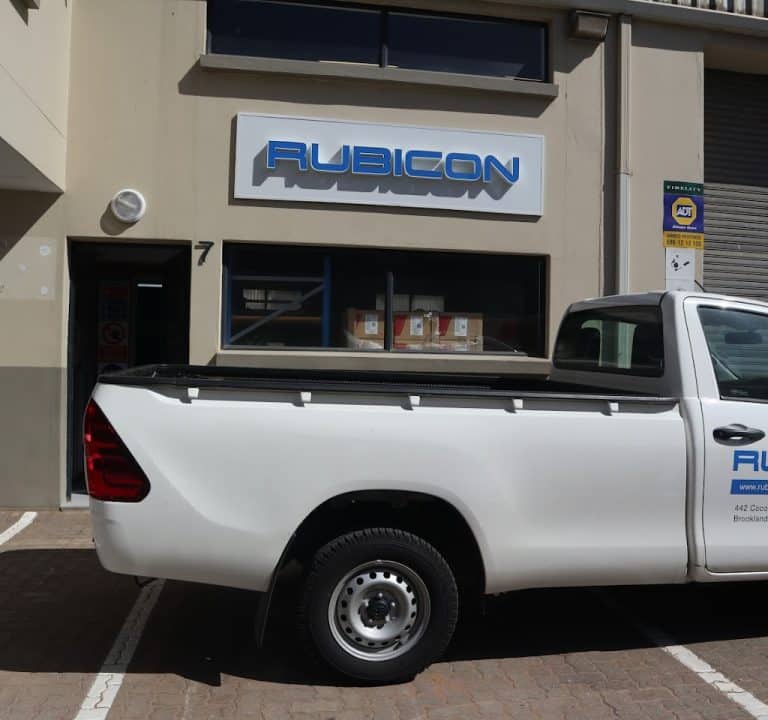
Rubicon KZN is a Inverters and UPS, Solar energy company establishment in Durban, KwaZulu-Natal, South Africa
Rubicon KZN: Inverters and UPS in Durban, KwaZulu-Natal
Rubicon KZN presents itself as a supplier and integrator of energy solutions with a focus on solar inverters, energy storage, and related power-management equipment. The company emphasises a broad portfolio of energy solutions under a unified brand, combining reliable solar inverters, high-efficiency electrical components, and storage options designed to support both grid-following and off-grid operations. The customer experience is shaped by a practical, product-led approach that highlights brand partners and system compatibility as core elements of the service offering.
The core service category—Inverters and UPS—centres on a range of inverter technologies designed to maximise solar energy utilisation and to enable autonomous power management. Product listings show a mix of single‑phase and three‑phase inverter solutions, with configurations that support hybrid operation, energy storage integration, and high-voltage storage solutions. The emphasis on MPPT capability and high-current handling suggests a focus on systems that can scale with small, residential installations through to larger commercial setups. The presence of energy storage kits alongside inverters indicates an integrated approach to backup power and demand-side management.
In addition to the inverter range, Rubicon KZN aligns itself with storage and auxiliary equipment from notable suppliers. Batteries and energy kits are presented as complementary components that enable users to pair solar generation with back-up capacity and intelligent control. The catalog demonstrates an intent to serve both end-users seeking simple, dependable home power systems and businesses requiring more robust commercial or industrial solutions. The inclusion of balance-of-system components, such as solar mounting hardware and ancillary electrical parts, signals a one-stop procurement approach for project teams assembling complete solar installations.
From a customer-experience perspective, the site conveys a structured shopping experience through its product collections and vendor listings. Visitors can browse by category—Inverters, Batteries, EV charging, and Balance of System—suggesting a straightforward path from initial specification to procurement. The presence of brand-name partnerships (for example, Solis inverters and Synapse energy products) provides a framework for customers to assess performance claims, warranty coverage, and availability with known manufacturers. For larger projects, the ability to access high‑power solutions, including 50 kW inverter options and high-voltage storage configurations, offers a route to scalable energy systems that can support commercial needs and significant load profiles.
Requests and orders appear to be integrated with an online shopping flow, including a cart, account registration, and stock notifications. The site’s notices about stock counts and processing timelines indicate a procedural discipline aimed at clear communication and predictable lead times. For buyers planning installations, this sensory cue—regular stock updates and a defined processing schedule—helps in budgeting and scheduling, particularly when coordinating trades and delivery windows for project timelines.
Typical job types implied by the catalogue fall into common solar PV and energy-storage workflows. Residential solar retrofits, small to mid-size commercial PV systems, hybrid installations with storage, and back-up power set-ups are all plausible applications. The emphasis on MPPT-rich inverters and high-amp storage solutions supports projects ranging from single‑family homes to light commercial operations. For Durban-based customers, the geographic focus aligns with KwaZulu-Natal’s climate and electrical infrastructure, suggesting practical considerations around daytime solar generation, load shifting, and resilience against grid interruptions.
Practical tips for customers planning a Rubicon KZN project include: start with a clear load profile to select the appropriate inverter rating and storage capacity; verify MPPT specifications and the number of MPPTs to ensure panel string compliance and maximised energy harvest; consider future expansion when selecting an inverter and battery kit; check compatibility between inverters, batteries, and EV charging equipment; and review delivery and local pickup options to align with project schedules. It is sensible to confirm stock status and lead times for essential components, particularly during periods of supply volatility.
For those visiting or engagingRubicon KZN in person, the Durban and KwaZulu-Natal region is the understood service area. While business hours and physical location details are not explicitly listed on the pages accessed, the online store structure implies a local presence capable of supporting both quick purchases and longer-term project planning. The combination of energy management technology, storage kits, and a curated selection of inverters positions Rubicon KZN as a practical, project‑friendly option for Durban-based solar and backup power deployments.
Durban
KwaZulu-Natal
4001
South Africa


Sorry, no records were found. Please adjust your search criteria and try again.
Sorry, unable to load the Maps API.
Inverters, UPS and Solar Energy Services in Durban, KwaZulu-Natal
In Durban and the broader KwaZulu-Natal region, specialists offering inverter and UPS (uninterruptible power supply) solutions alongside solar energy services provide a range of essential products and support for businesses and residential customers. The services are typically designed to address electricity reliability, peak demand, and energy security, while accommodating the unique climatic and infrastructural conditions of coastal South Africa. In many cases, providers operate as independent engineers or installers who assess site requirements, design suitable systems, and oversee installation, commissioning, and ongoing maintenance.
Key offerings commonly encountered include site assessment and load analysis, system design, and equipment selection. A professional team studies historical power quality, load profiles, and uptime expectations to recommend appropriate inverter capacity, battery arrangements, and UPS configurations. These assessments help ensure that critical loads – such as servers, refrigerations, lighting, and office equipment – remain operational during outages or utility voltage fluctuations. In Durban’s mixed climate, considerations may include thermal management for battery banks and ensuring equipment can tolerate humidity and salt-laden air at coastal locations.
Installation services cover lies at the heart of the relationship between inverter, UPS, and solar energy providers. Installers typically handle electrical wiring, mounting, enclosure protection, wiring containment, and integration with existing electrical systems. Solar modules may be incorporated to provide renewable charging for battery storage, while inverters translate solar or DC inputs into usable AC power. UPS units are matched to the criticality of circuits, allowing for smooth transfer to back-up power when the main supply falters. The goal is to create a seamless transition between regular power and emergency supply, minimising downtime and data or equipment loss.
Maintenance and aftercare form a substantial part of the service portfolio. Regular inspections, battery health monitoring, firmware updates where applicable, and performance testing are common features. Clients often receive guidance on battery replacement schedules, inverter efficiency tips, and electrical safety practices. In addition to on-site visits, some providers offer remote monitoring or diagnostics to detect abnormal voltages, depletion of battery capacity, or inverter heat management concerns. This proactive approach helps extend the lifespan of equipment and reduces the risk of unexpected failures.
Practical considerations for customers include warranty terms, system scalability, and compatibility with existing electrical infrastructure. Prospective buyers should evaluate the total cost of ownership, including purchase price, installation, spare parts availability, and seasonal demand patterns. The coastal environment in KwaZulu-Natal can influence corrosion protection, enclosure ratings, and ventilation strategies. Providers may offer advice on maintenance frequencies, permissible load factors, and safe operation procedures for households and small to medium enterprises.
- Consultation and load planning tailored to Durban offices, shops, or residential properties.
- Design and installation of inverter-backed or UPS-backed power systems with optional solar integration.
- Battery storage assessment, selection, and lifecycle management.
- Efficiency optimisation, monitoring, and remote diagnostics.
- Safety compliance guidance and ongoing maintenance plans.
Overall, the typical service path involves an initial evaluation, a customised system design, careful installation, and a structured maintenance regime aimed at ensuring reliable power continuity. For organisations in Durban and KwaZulu-Natal, these services enable continued operation during outages and help navigate the realities of local electricity supply, while offering the benefits of cleaner, renewable energy when solar components are included.
If this is your business, please click the button below to claim it.
By claiming the listing, you will be able to edit it, and add your own text, images, videos and business hours
Please use this listing as an advertisement for your business. It is provided for Free.