Renaissance Solar is a Inverters and UPS, Solar energy company establishment in Cape Town, Western Cape, South Africa
Renaissance Solar — Inverters and UPS (Cape Town, Western Cape, South Africa)
Renaissance Solar operates as a Western Cape renewable energy specialist delivering end-to-end solar solutions for both residential and commercial clients. Focusing on reliability, quality and sustainability, the company positions itself as a full-service partner for solar PV systems, solar hot water, heat pumps and associated electrical and plumbing integration. The business emphasises locally sourced materials where possible and aligns with leading manufacturers to ensure robust workmanship, dependable performance, and strong after-sales support. The experience extends across more than a decade, with a track record of thousands of installations across diverse settings.
In the Inverters and UPS domain, Renaissance Solar showcases a broad portfolio of PV system configurations designed to fit varying energy needs and budgets. Solar PV systems are described as scalable and adaptable, with options for residential and commercial applications. The offering includes grid-tied (on-grid) configurations as well as hybrid and off-grid approaches where appropriate. Grid-tied micro-inverter solutions are highlighted as a cost-effective entry point for properties already connected to municipal power. By enabling individual panel operation, micro-inverters help maximise output even when shading or panel mismatch occurs, and they can be installed with or without battery storage. This approach supports short payback periods and the potential for straightforward system expansion over time.
The company’s PV range is presented as SABS-approved and designed to deliver energy independence, reduced electricity costs, and improved resilience. Installations are described as expertly executed, with emphasis on sizing, system integration with existing electrical infrastructures, and warranties that underpin long-term reliability. For larger organisational needs, Renaissance Solar underscores the strategic value of commercial solar, where power generation can stabilise energy costs, support sustainability credentials, and provide predictable cash flow through defined agreements.
Beyond solar PV itself, the business also markets solar hot water systems and solar thermal solutions, indicating a cohesive approach to clean energy across both electricity and water heating. The hot water offering is positioned as a cost-effective, eco-friendly alternative that can meet a substantial portion of household hot water requirements, producing meaningful electricity savings and quick payback through durable components and professional installation. The combination of PV and solar thermal capabilities supports a holistic energy strategy for homes and businesses alike.
Service delivery in practice emphasises a methodical, customer-focused process. Renaissance Solar speaks of a tailored, compliant installation ethos, with teams selecting high-quality components and completing projects in accordance with manufacturer guidelines and regulatory standards. Certification and compliance services, including electrical and plumbing certificates of compliance (CoC), are listed as part of the service suite, reflecting attention to regulatory fulfilment and safe handover practices. The company’s blog and project gallery further illustrate an emphasis on education, transparency, and showcasing a diverse range of installations across the Western Cape.
Typical project types mentioned include residential rooftop PV systems, commercial PV installations, grid-tied solar configurations, and hybrid setups with optional battery storage. The grid-tied micro-inverter pathway is presented as suitable for customers seeking real-time monitoring, reduced grid reliance, and a cost-conscious entry into solar power, with the option to scale to hybrid systems as needs evolve. The commercial pathway highlights potential cost savings of 40–50% on energy costs when shifting to solar, with payback forecasts framed around asset lifespans and financial arrangements such as PPAs or traditional CapEx models.
Practical tips for customers planning a solar, heat pump, or hot water installation include:
- Assess energy profiles and grid reliability to determine whether grid-tied, hybrid, or off-grid solutions best suit needs.
- Consider micro-inverter systems for easier expansion and resilience against panel shading or failure of a single inverter.
- Factor in potential payback periods and total cost of ownership, including warranties and after-sales service.
- Request CoC documentation to confirm regulatory compliance for electrical and plumbing aspects of installations.
- Leverage the Western Cape focus to explore region-specific solar incentives, weather patterns, and service coverage.
Renaissance Solar serves clients across the Western Cape, including Cape Town, and emphasises strong customer service, honesty and integrity as core values. The company highlights a practical, hands-on approach to designing, sizing and installing solar and solar-assisted systems, ensuring a seamless integration with existing networks and a clear pathway to energy independence. For those seeking to understand how inverters, UPS and related renewable technologies can support continuity of supply and cost efficiency, Renaissance Solar presents a comprehensive, experience-driven option built on local expertise and long-term performance.
Business hours and specific visit times are not stated on the public site; however, the organisation appears to operate with standard office and project scheduling practices aligned to Western Cape requirements. The location focus is Cape Town and surrounding areas, with an emphasis on residential and commercial markets within the Western Cape region.
Cape Town
Western Cape
South Africa


Sorry, no records were found. Please adjust your search criteria and try again.
Sorry, unable to load the Maps API.
Inverters and UPS Solutions for Solar Energy in Cape Town, Western Cape
In the Western Cape, businesses and households increasingly rely on inverters and uninterruptible power supply (UPS) systems as part of a broader solar energy strategy. These solutions are designed to convert and store solar-generated electricity, manage energy use during outages, and provide a reliable power supply for critical equipment. In Cape Town, where municipal supply can be variable and demand peaks can stress the grid, customers often seek installations that are robust, scalable, and compatible with local electrical standards and climate conditions.
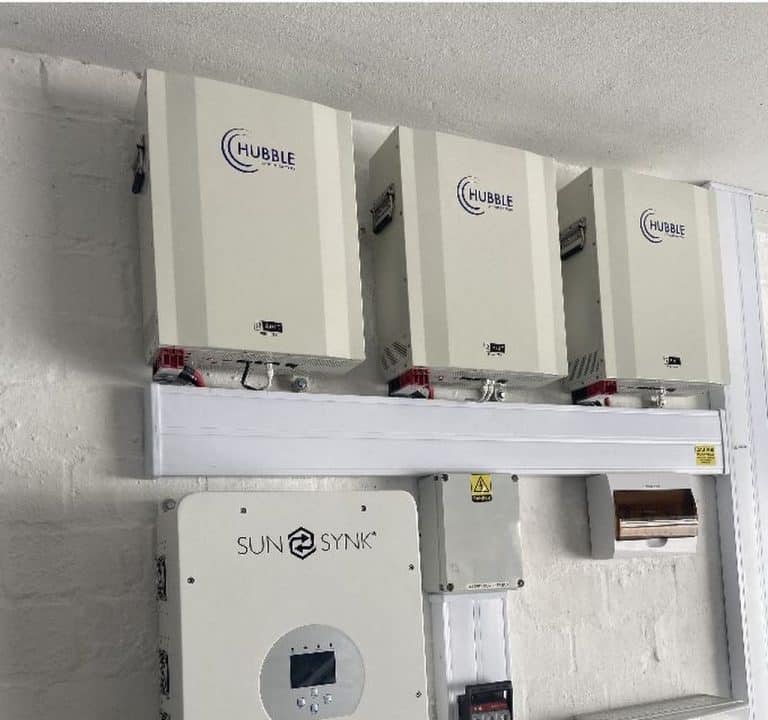
Inverter systems perform the essential function of converting the direct current (DC) produced by solar panels into alternating current (AC) suitable for household or business loads. Modern inverters range from basic grid-tied units to more sophisticated hybrid models that can manage multiple energy sources, including generators or battery storage. The emphasis in many Cape Town projects is on efficiency, durability, and resilience against frequent solar fluctuations and occasional weather-related impacts. For business users, this translates to continuous power for essential systems, improved energy management, and the potential for lower daytime electricity costs when paired with solar arrays.
UPS units provide a safeguard against interruptions in power supply. They are designed to bridge short outages, protect sensitive equipment, and ensure ongoing operation during transitions between power sources. In a solar context, UPS devices may be part of a broader energy solution that integrates with inverters and battery storage. The aim is to deliver clean, stable power with minimal voltage and frequency variation, which is vital for servers, telecommunications gear, medical devices, and other critical infrastructure found in commercial premises across Cape Town and its surrounds.
Service providers in the area commonly offer a sequence of assessment, design, installation, and aftercare for inverter and UPS systems. The initial phase typically involves a site survey to understand load profiles, shading, roof orientation, and electrical compliance requirements. This supports the selection of appropriately sized equipment, ensuring that the solar array, inverter, and storage capacity align with daily energy consumption and backup objectives. Once a plan is approved, technicians install the equipment, integrate it with the existing electrical distribution, and conduct commissioning tests to verify performance under real-world conditions.
Customers can expect guidance on battery storage options, including depth of discharge, cycle life, and maintenance considerations. Where battery systems are employed, attention is given to containment, temperature management, and safety practices to mitigate fire risk and electrolyte hazards. Local regulations and electrical codes influence the design and installation process, with compliance being a central consideration for both domestic and commercial projects in the Western Cape.
Practical considerations typically addressed by providers include the reliability and availability of components, compatibility with solar panels and import duties, and ongoing support for monitoring and fault diagnosis. Inverter and UPS installations may feature remote monitoring capabilities that give asset owners visibility into performance, battery health, and energy utilisation. While specific platform features are not assumed, services generally encompass system health checks, firmware updates where appropriate, and guidance on future upgrades as energy needs evolve.
For Cape Town customers, a balanced approach often favours systems that can tolerate local weather patterns, including high solar irradiance days and occasional heat stress on storage equipment. The goal is a dependable energy ecosystem that enhances resilience, supports business continuity, and lowers long-term electricity costs. By deploying well-muited inverters and UPS configurations alongside solar energy generation, households and enterprises in the Western Cape can improve energy independence while maintaining compliance with regional specifications and safety standards.
- Site assessment and load analysis
- Inverter and battery selection and installation
- UPS sizing and integration with critical loads
- System commissioning and performance verification
- Maintenance, monitoring, and fault diagnosis
If this is your business, please click the button below to claim it.
By claiming the listing, you will be able to edit it, and add your own text, images, videos and business hours
Please use this listing as an advertisement for your business. It is provided for Free.