

Power In A Box is a Electrical equipment supplier, Inverters and UPS establishment in Sandton, Gauteng, South Africa
Power In A Box – Powers arrangements for Sandton businesses and households
Power In A Box operates as a practical solution for protection against loadshedding in and around Sandton, Gauteng. The service focuses on providing immediate, cost‑effective off-grid and grid-tied power options designed to keep essential equipment running during outages. The offering centres on a compact, plug‑and‑play unit that stores energy in batteries and delivers a stable power output to devices such as computers, chargers, lamps and essential electronics in a small office, home office or study environment.
The core product is a modular “Power in a Box” system. For simple load‑shedding protection, customers can purchase a small office and student version. The unit is charged from mains when electricity is available and powers connected equipment during outages. In practice, laptops, desktops, chargers, lighting and emergent devices can remain functional for a defined blackout period, helping to preserve productivity and minimise disruption. The process is designed to be straightforward: the box is plugged into the electrical supply to charge, then the office equipment is connected directly to the unit for uninterrupted operation during power cuts. The brand emphasises a cost‑effective approach to maintaining connectivity and routine tasks during loadshedding, with stock advertised as limited and priced attractively for small office and student use.
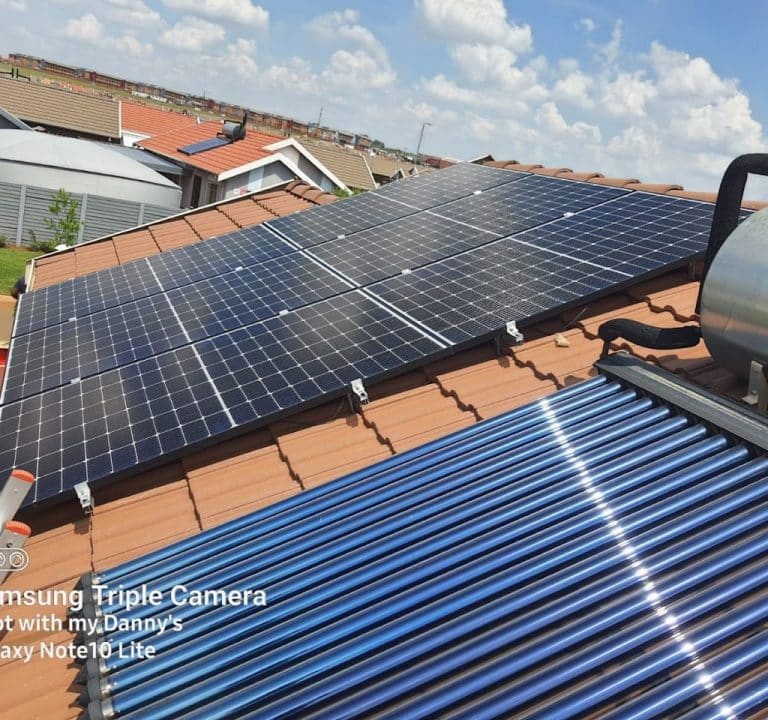
For customers seeking more enduring resilience, the system can be expanded with solar panels. The recommended approach is to size solar capacity to at least double the normal power requirement, ensuring the box recharges efficiently while operating on solar power. A practical example is given: if the standard usage is around 150 watts, a solar array of about 300 watts is suggested. The concept is straightforward—solar power feeds the unit while batteries recharge, allowing continued operation through longer blackout periods.
In addition to the hardware, the accompanying information covers practical considerations for keeping a system working well. Specific guidance is offered on battery longevity and care, highlighting the use of Enertec deep‑cycle sealed lead‑acid batteries designed for extended life cycles when treated correctly. The content cautions against deep discharges, explains the importance of an automatic low voltage cutoff, and points out that battery health is often more affected by usage patterns than by brand choice. An emphasis is placed on controlling continuous load to a level that batteries can sustain, with the recommendation that a 12‑volt system should maintain a relatively modest current to extend battery endurance.
The website also recognises the realities of load shedding for households, small offices and students, framing the solution as a practical way to keep lights, internet and essential devices operational during outages. The user guide sections describe a simple two‑step setup for solar integration: step one involves unboxing and configuring the Power in a Box, step two focuses on incorporating solar power to recharge the batteries. The messaging is geared toward making load shedding a historical problem for the user’s workspace or study area, rather than a recurring disruption.
Typical job types, as implied by the content, include small office protection, home office protection, and study environments where uninterrupted power is critical. The offerings cater to users who need a reliable means to run two PCs, a phone charger, a desk lamp and emergency lighting during outages. The likely customer profile is suburban or urban professionals, students and small businesses seeking a straightforward, scalable power protection solution with an emphasis on quick deployment and tangible productivity benefits.
Practical tips for customers include sizing the solar element to meet or exceed current consumption, being mindful of battery discharge practices to maximise life, and understanding the continuous load limits to prevent overstressing the system. Prospective buyers are advised to consider how long blackout periods typically last, the number of devices to be powered, and the reliability of the mains supply in their area when deciding on a two‑step upgrade from basic to solar‑assisted operation.
While the content reflects information available on the Power In A Box site, it also aligns with common customer experiences described in the accompanying Q&A and forum‑style notes. The services are positioned to serve the Sandton area and surrounding Gauteng communities, with emphasis on accessibility, incremental upgrades, and practical guidance to optimise the use of inverter and UPS technology during loadshedding periods.
- Main services offered: plug‑and‑play power protection for small offices and homes; optional solar upgrade; battery guidance and maintenance tips; practical load calculations; step‑by‑step setup guidance.
- Typical job types: small office protection, home office protection, student study spaces requiring reliable power during outages.
- Requests usually work by: inspecting power needs, selecting a suitable Power in a Box configuration, and optionally adding solar capacity; the process emphasises straightforward installation and ongoing use during outages.
Sandton
Gauteng
South Africa
Sorry, no records were found. Please adjust your search criteria and try again.
Sorry, unable to load the Maps API.
Electrical equipment suppliers, inverters and UPS services in Sandton, Gauteng
Businesses and households in Sandton, Gauteng, rely on a robust network of electrical equipment suppliers and service providers to secure dependable power and electrical performance. In this busy commercial centre, suppliers typically offer a mix of components, from general electrical consumables to specialised equipment designed to protect critical loads. The focus in practice tends to be on reliable inverters and uninterruptible power supply (UPS) systems, integrated with ongoing service support to ensure resilience against power interruptions and voltage fluctuations.
Customers can expect a staged approach to sourcing, assessing, and implementing electrical equipment. Initial consultations often involve understanding load profiles, available space, and the desired level of protection. This informs the selection of inverters and UPS units that match the specific requirements, whether for a small office, a retail outlet, data handling equipment, or manufacturing processes. Suppliers typically provide options that cover pure sine wave inverters suitable for sensitive electronics, online/double-conversion UPS systems for critical IT and network gear, and line- interactive or offline configurations for lighter loads or auxiliary power.
In Sandton's business environment, practical considerations play a central role. Location and accessibility are important for onsite assessments, with many providers offering rapid delivery of equipment and flexible installation scheduling to align with business operations. Power infrastructure styling is also considered, including the availability of dedicated circuits, space for battery banks, ventilation, and fire safety compliance. Where space is limited, compact, modular, or wall-mounted solutions may be preferred, while larger installations could require custom cabinet enclosures and dedicated room conditioning. Battery selection is a key factor, with maintenance requirements and replacement intervals influencing total cost of ownership.
Typical services encompass more than product supply. Installation services usually include system sizing, wiring diagrams, inverter and UPS integration with existing electrical panels, and protection strategies for critical loads. Commissioning tests verify that inverters perform within expected efficiency ranges, that UPS units provide the necessary run-time during outages, and that automatic transfer switches coordinate smoothly with power sources such as mains, generators, or solar inverters. Preventive maintenance is commonly offered to monitor battery health, replace ageing components, and recalibrate safety and protective features. Service contracts may also cover remote monitoring, enabling technicians to receive alerts about abnormal operation, voltage dips, or battery degradation.
A customer-focused approach emphasises reliability, after-sales support, and practical cost management. Warranty terms vary, but purchasers typically seek assurances on component integrity, battery performance, and timely parts availability. Training and documentation are often provided, helping staff understand how to safely operate the equipment, interpret status indicators, and respond to alarms. In addition, many Sandton suppliers promote disposal and recycling services for spent batteries, aligning with environmental responsibilities and local regulations.
For organisations considering an upgrade or expansion, the consultation process can explore virtual clustering of units for redundancy, scalable architectures, and hybrid configurations that combine grid power with stored energy. End-to-end solutions may integrate energy management practices, allowing businesses to optimise uptime while controlling energy costs.
Overall, the Sandton market for electrical equipment, inverters, and UPS services combines availability, technical expertise, and local know-how. Customers can anticipate a clear assessment of protection needs, a practical plan for installation, and ongoing support designed to maintain continuous operation through periodic maintenance and timely battery care.
If this is your business, please click the button below to claim it.
By claiming the listing, you will be able to edit it, and add your own text, images, videos and business hours
Please use this listing as an advertisement for your business. It is provided for Free.