Green Leaf Alternative Solutions is a Inverters and UPS, Solar energy company establishment in Midrand, Gauteng, South Africa
Green Leaf Alternative Solutions: Inverters, UPS and Solar Energy Services in Midrand
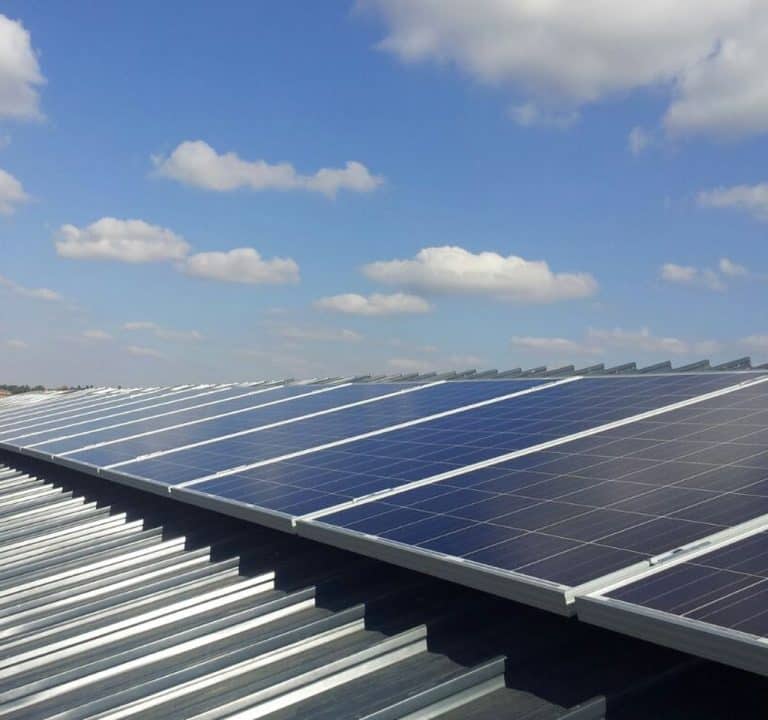
Green Leaf Alternative Solutions operates from Midrand, Gauteng, offering a specialised suite of solar energy offerings designed to provide autonomy and resilience across industrial, commercial, agricultural and residential settings. The organisation emphasises renewable energy systems that enable self-sufficiency, with an approach focused on producing, managing and optimising energy use to achieve greater energy autarky watt-for-watt. The overarching aim is to blend environmental stewardship with practical economic benefits, supporting a transition to cleaner power sources while reducing reliance on traditional grid supply.
Core services concentrate on designing and implementing alternative energy systems, with a clear emphasis on solar installations and energy management. The portfolio highlights systems tailored to varied sectors, recognising that industrial operations, commercial premises, farms and homes have distinct energy profiles and resilience requirements. The emphasis remains on not only generating clean energy but also enabling customers to operate more autonomously through integrated storage and intelligent energy controls.
In practice, the typical project scope encompasses considerations from system design through to on-site installation and ongoing optimisation. The offered solutions are described as tailor-made, supporting a smooth shift towards self-sufficiency by enabling customers to generate, store, monitor and optimise energy consumption. While the available materials present broad, aspirational goals rather than fixed specifications, the emphasis lies on reliability, efficiency and the long-term financial and environmental advantages of renewable energy adoption.
The company’s messaging highlights a holistic approach to sustainable energy, with installations and storage being central components. Storage capacity figures featured in the materials imply capability for substantial energy autonomy, illustrating the potential to support daily operational needs through stored solar generation. The messaging consistently ties sustainable energy to practical savings and a reduced carbon footprint, framed as a strategic decision for future-oriented organisations and households.
Customer experiences, where available through visitor feedback, point to a service spectrum that centres on custom design, technical expertise and a commitment to helping clients realise energy independence. The narrative stresses long-term value, focusing on efficient energy use and the economic incentive of lower utility costs as storage and solar capacity are aligned with demand profiles. While explicit testimonials are not included in the supplied materials, the emphasis on autonomy, resilience and practicality suggests a solution-oriented experience for diverse users seeking sustainable energy integration.
Areas of application commonly contemplated for Green Leaf include industrial facilities seeking reliable power for operations, commercial premises aiming to improve utility efficiency, agricultural operations requiring consistent energy for climate control and irrigation, and residential properties pursuing off-grid or hybrid energy solutions. This breadth reflects a philosophy of adaptable design that supports varied energy needs within the Midrand region and broader Gauteng area.
Operational notes for potential customers indicate a straightforward workflow. Initial engagement typically involves an assessment of energy requirements and site characteristics, followed by a bespoke design for an inverter, UPS, solar and storage configuration. Installation proceeds with attention to integration with existing electrical systems, safety considerations and continuity of supply. Post-installation services typically include performance monitoring and optimisation to ensure the system meets evolving energy demands and maintenance needs.
Tips for customers planning a project with Green Leaf include preparing a clear outline of peak energy loads, daily usage patterns and any critical power needs. It is advantageous to map out priorities between grid-tied operation, off-grid capability, and the desired level of energy storage. Site readiness factors such as roof exposure for solar, shading considerations and accessibility for maintenance should be evaluated ahead of design. Also important is a discussion of future scalability, allowing for potential capacity upgrades as energy requirements grow or as technology evolves.
- Assess annual energy consumption and identify critical loads that require uninterrupted power supply.
- Consider both current needs and future expansion when sizing inverters, UPS units and storage capacity.
- Evaluate site conditions, including roof area, orientation, shading and local weather patterns, to optimise solar generation.
- Clarify preferred operation mode: grid-tied, hybrid, or off-grid, and the desired level of autonomy.
- Plan for maintenance and monitoring to sustain performance and longevity of the system.
Geographically, Green Leaf’s activities are positioned to serve Midrand and the surrounding Gauteng region, with a focus on delivering practical energy solutions that align with local climate and infrastructure considerations. The core message remains one of energising spaces with sustainable, self-sufficient power while reducing environmental impact and utility costs.
Midrand
Gauteng
South Africa


Sorry, no records were found. Please adjust your search criteria and try again.
Sorry, unable to load the Maps API.
Inverters and UPS Solutions for Solar Energy in Midrand, Gauteng
In Midrand, Gauteng, customers exploring solar energy often encounter a range of services centred on inverters and uninterruptible power supply (UPS) systems. Experienced providers typically offer guidance on how these technologies integrate with existing electrical infrastructure, how they support continuous operation, and how they align with local energy conditions. The aim is to deliver reliable power availability for homes and small to medium businesses, while optimising energy use and future-proofing investments in clean energy.
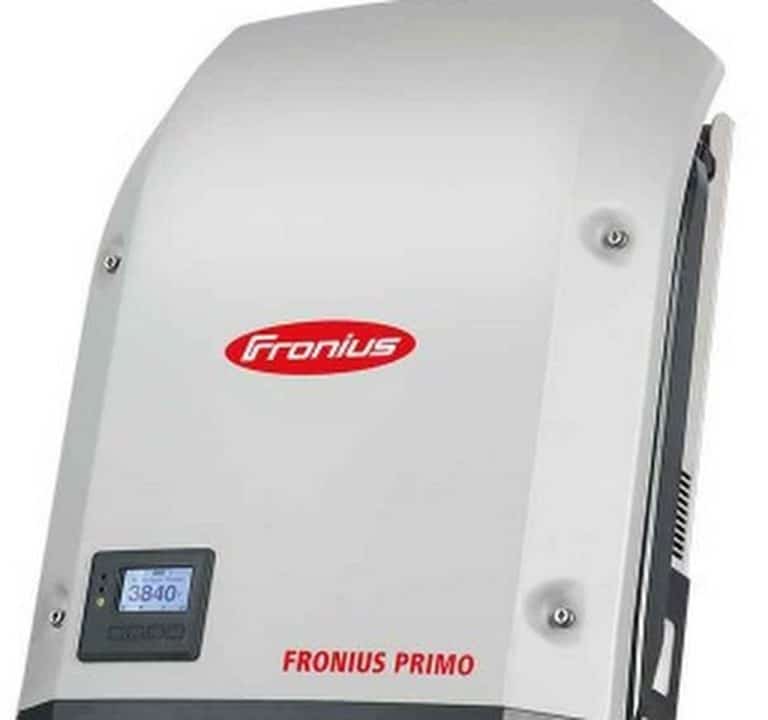
Inverters are a core component of solar or hybrid power systems. They convert the direct current (DC) produced by solar panels or stored in batteries into alternating current (AC) suitable for standard electrical appliances. UPS units, meanwhile, are designed to bridge momentary power interruptions, providing a seamless transition to battery or generator power. In the Midrand market, the services around these devices typically focus on assessment, selection, installation, and ongoing support to ensure systems perform when needed most. Contractors consider factors such as load requirements, battery technology, inverter efficiency, and the intended mode of operation—whether grid-tied, off-grid, or hybrid—before recommending a solution.
Customers can expect a comprehensive approach that covers both planning and execution. A typical engagement begins with a site survey to understand electrical loads, peak demand, and the available space for equipment. This informs the sizing of inverters and the capacity of UPS or battery storage. Installations usually include equipment mounting, wiring, protection devices, and control interfaces that facilitate monitoring and maintenance. The process often spans from the initial design and procurement through to commissioning, where the system is tested under real-world conditions to verify performance and safety. Clear documentation accompanies the project, detailing programmability, maintenance schedules, and safety considerations.
Practical considerations frequently highlighted by service providers in Midrand include reliability of supplies, the local grid environment, and the cost dynamics of solar and storage. Prospective customers are advised to assess peak usage patterns, potential future load growth, and the desired level of autonomy during outages. Battery technology—such as lead-acid or lithium-based systems—plays a significant role in determining cycle life, depth of discharge, and space requirements. Inverter selection often weighs efficiency, surge capability, and compatibility with existing or planned solar arrays, while UPS options focus on instantaneous transfer times and endurance for critical equipment like servers, office electronics, or medical devices.
Maintenance and support are essential elements of service in this sector. Providers commonly offer routine checks, firmware updates, performance diagnostics, and emergency call-outs. They may also advise on best practices for energy management, including scheduling high-demand tasks during sun-rich periods and maximising battery utilisation. In Midrand, where electrical infrastructure can vary, professional guidance helps ensure that installations comply with general electrical safety practices and regional standards without asserting any particular product brands or market claims.
- Site assessment and system sizing for inverters and UPS
- Solar integration planning (grid-tied, off-grid, or hybrid)
- Installation and commissioning of power conversion and backup equipment
- Battery storage selection and optimisation
- Maintenance, diagnostics, and fault-finding
- Load management and energy optimisation strategies
Overall, the services surrounding inverters and UPS in Midrand focus on delivering practical, reliable, and scalable power solutions that support continuous operation in homes and businesses. The emphasis remains on clear assessment, careful planning, careful installation, and practical ongoing support, with an emphasis on safety, efficiency, and flexibility to adapt to evolving energy needs.
If this is your business, please click the button below to claim it.
By claiming the listing, you will be able to edit it, and add your own text, images, videos and business hours
Please use this listing as an advertisement for your business. It is provided for Free.