Girasole Energy is a Inverters and UPS, Solar energy company establishment in Polokwane, Limpopo, South Africa
Girasole Energy: Inverters and UPS and Solar Solutions in Polokwane, Limpopo
Girasole Energy operates from Polokwane in Limpopo as a specialised provider of solar energy solutions, with a focus on inverters, uninterruptible power supply (UPS) systems, and related energy equipment. The business traces its roots to a longstanding history in electrical motor rewiring and generator servicing, transitioning in 2015 to solar power to offer a more sustainable and economical energy source. The name Girasole, drawn from Italian for “Sunflower” and “Turning Sun,” reflects the company’s aim to convert solar exposure into practical electrical energy for clients.
The company positions itself as a trusted supplier of quality solar solutions, leveraging a collaboration with S & P Power Units, a supplier based in Gauteng with more than two decades of experience in the solar sector. This partnership is highlighted as a channel for sourcing high-end products from European suppliers, which is intended to support strong product performance and warranty coverage for customers in the region.
Main services offered
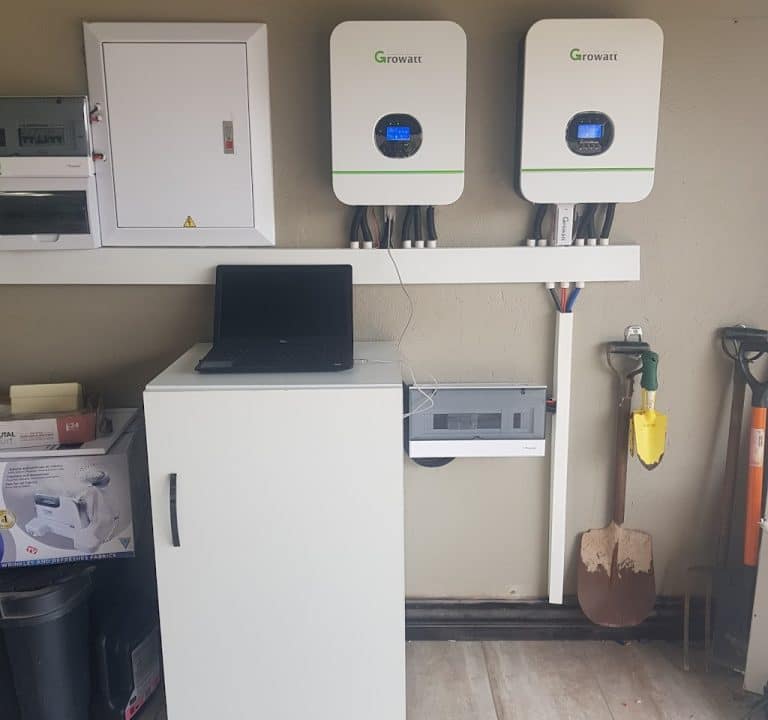
- Solar energy systems installation and integration, with emphasis on inverter and UPS configurations suitable for residential and small commercial applications.
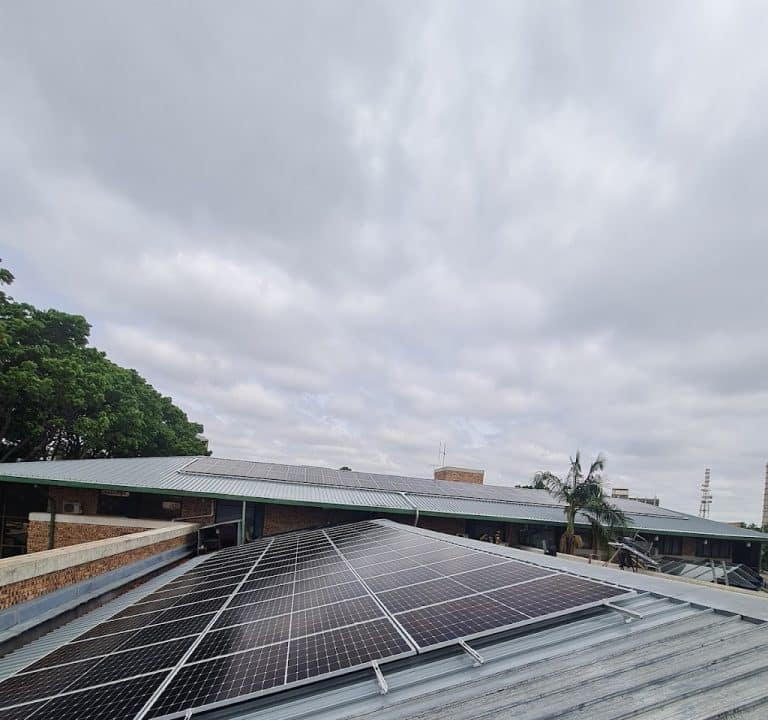
- Grid-tied solar projects, designed to connect with the existing electrical grid to feed solar energy into the home or business while potentially reducing mains consumption.
- Semi off-grid and hybrid configurations, combining solar generation with energy storage or auxiliary power sources to increase resilience and reliability.
- Project delivery across various scales, backed by experience in installing and maintaining systems such as 8kWp grid-tied installations, 8kW semi off-grid hybrids, and 10kVA semi off-grid hybrids for homes.
- Provision of equipment sourced from reputable European suppliers, with a focus on durability, efficiency, and warranted performance.
Typical job types and industries
Projects highlighted include residential applications that require reliable home energy parasols, such as semi off-grid hybrids designed to operate in environments where grid power may be intermittent. The examples given—an 8kWp grid-tie installation, an 8kW semi off-grid hybrid, and a 10kVA semi off-grid hybrid for a home—suggest that typical assignments cover domestic solar upgrades, retrofits, and energy storage-enabled systems. The phrasing indicates a preference for solutions that blend solar generation with practical energy management, rather than large-scale commercial installations.
How requests usually work
As described, the company acts as a supplier and system integrator, employing European-made components through its partner network. While explicit process steps are not detailed on the available materials, potential clients can expect a pathway that begins with assessing energy needs, followed by selecting between grid-tied, semi off-grid, or hybrid solutions and then proceeding to installation and commissioning. The focus on high-end components and warranties implies an emphasis on reliable performance and aftercare, though the exact workflow (site surveys, quotations, installation timelines) is not specified in the presented content.
Practical tips for customers
- Clarify system type before installation: grid-tied versus off-grid or hybrid, to ensure the selected configuration aligns with energy goals, local regulations, and potential incentives.
- Ask about warranty terms and service support for the inverters and energy storage components, given the emphasis on European suppliers and warranties.
- Request references or case studies related to similar installations (e.g., residential 8kWp grid-tied or semi off-grid hybrid setups) to gauge performance in comparable environments.
- Confirm the availability of local after-sales support and maintenance plans, including routine inspections and fault response times.
Location and service area
Girasole Energy operates from Polokwane, in the Limpopo province, serving customers within the region. The combination of local presence and a partnership with a broader South African supplier network suggests readiness to address both urban and rural installations where solar energy can offer meaningful resilience and cost savings.
Notes for visitors
Prospective clients are advised to consider the company’s emphasis on European-sourced products and established partnerships when evaluating warranties and product performance. While specific hours and appointment policies are not stated in the available materials, the local focus in Polokwane indicates accessibility for on-site assessments within the area.
Polokwane
Limpopo
South Africa


Sorry, no records were found. Please adjust your search criteria and try again.
Sorry, unable to load the Maps API.
Inverters and UPS – Solar Energy Services in Polokwane, Limpopo
In Polokwane, Limpopo, the provision of inverters and uninterruptible power supply (UPS) solutions forms a core segment of the region’s solar energy offerings. Local providers typically deliver a range of devices and services designed to secure resilient electricity supply for homes, commercial premises and small to mid-sized enterprises. The emphasis is on practical energy storage, reliable back-up power, and the intelligent management of energy gained from solar installations or municipal grids.
In general, the services around inverters and UPS in this market focus on assessment, installation, commissioning and ongoing support. An initial site appraisal identifies the correct capacity and configuration to meet anticipated loads, including essential circuits, business operations, and critical equipment. This often involves evaluating peak energy demand, maintenance schedules, and the potential for future expansion as solar capacity grows or loads increase. The goal is to balance cost, efficiency and reliability while accommodating local weather patterns and grid conditions common to Polokwane and the surrounding Limpopo area.
Consultations commonly address several practical considerations. Battery technology choices—such as lead-acid or lithium-based solutions—are weighed against factors like cycle life, depth of discharge, weight, space requirements and total cost of ownership. System design typically covers inverter size, the number and type of batteries, charging regimes, and whether the UPS is integrated with a solar charge controller or operates as a stand-alone back-up unit. Additionally, the suitability of the equipment for high inrush loads, air-conditioning usage, and sensitive electronics is assessed to prevent power interruptions from cascading into business operations.
During installation, technicians ensure that all safety and electrical standards are observed. This includes proper wiring, isolation points, and the protection of electrical circuits in case of faults. In a typical Polokwane project, emphasis is placed on robustness against local environmental conditions, with considerations given to heat dissipation, ventilation, and weather exposure for outdoor components. After installation, systems are tested to confirm smooth transitions between grid and back-up power, stable voltage regulation, and reliable battery state monitoring. Clear documentation accompanies the work, outlining operating parameters, maintenance intervals, and recommended inspection schedules.
Post-installation support generally covers routine maintenance, performance monitoring, and system diagnostics. Technicians may offer resilience audits to identify potential single points of failure, options for expanding storage capacity, or the integration of energy management software that optimises charging and discharging cycles. Training may be provided for on-site staff or property owners, focusing on safety protocols, basic troubleshooting, and understanding indicators on inverters and UPS units. This support helps to maximise uptime during power interruptions and to protect critical equipment from voltage irregularities.
Customers in Polokwane and the broader Limpopo region can anticipate a practical emphasis on reliability, energy security, and cost efficiency. The typical value proposition involves enabling operations to continue during outages, reducing dependence on municipal supply, and leveraging solar generation to offset electricity expenses. For many enterprises, the choice of inverter and UPS solution is influenced by the intended critical load, available space, and the anticipated duration of typical outages. While the market presents a variety of brands and configurations, the emphasis remains on safe installation, appropriate sizing, and ongoing service to maintain performance in a demanding local environment.
- Site assessment and load analysis
- Inverter and battery selection and sizing
- Installation and safety-compliant wiring
- Commissioning, testing and handover documentation
- Routine maintenance, diagnostics and system optimisation
If this is your business, please click the button below to claim it.
By claiming the listing, you will be able to edit it, and add your own text, images, videos and business hours
Please use this listing as an advertisement for your business. It is provided for Free.