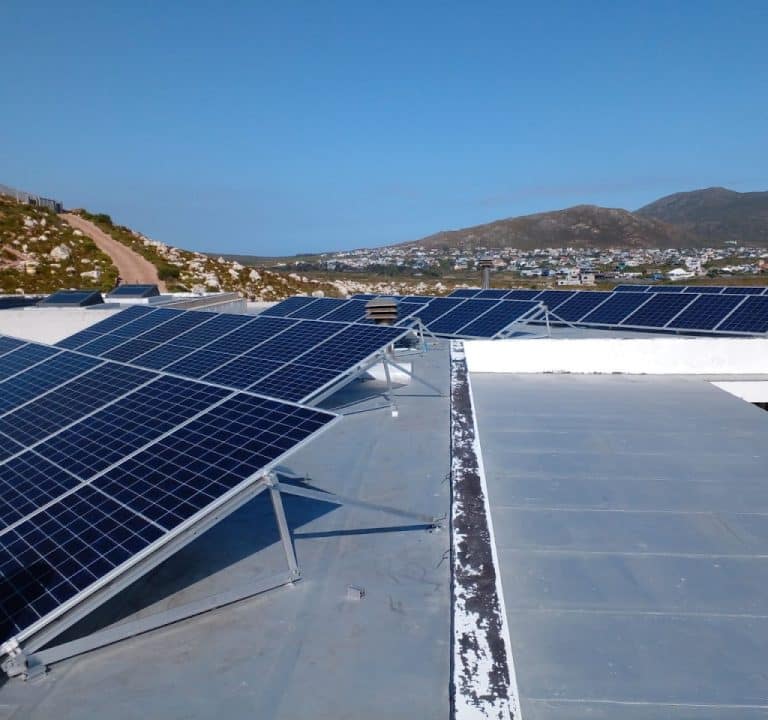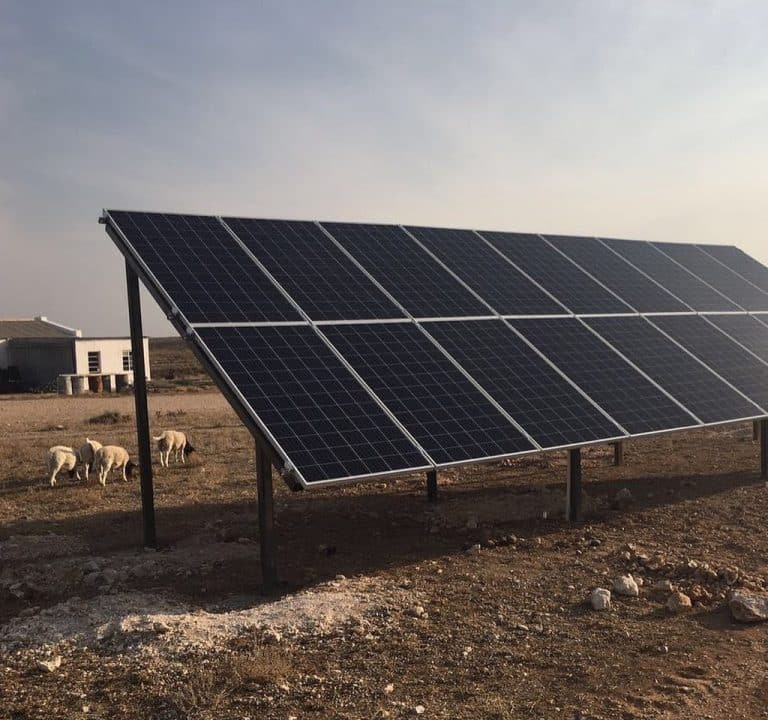
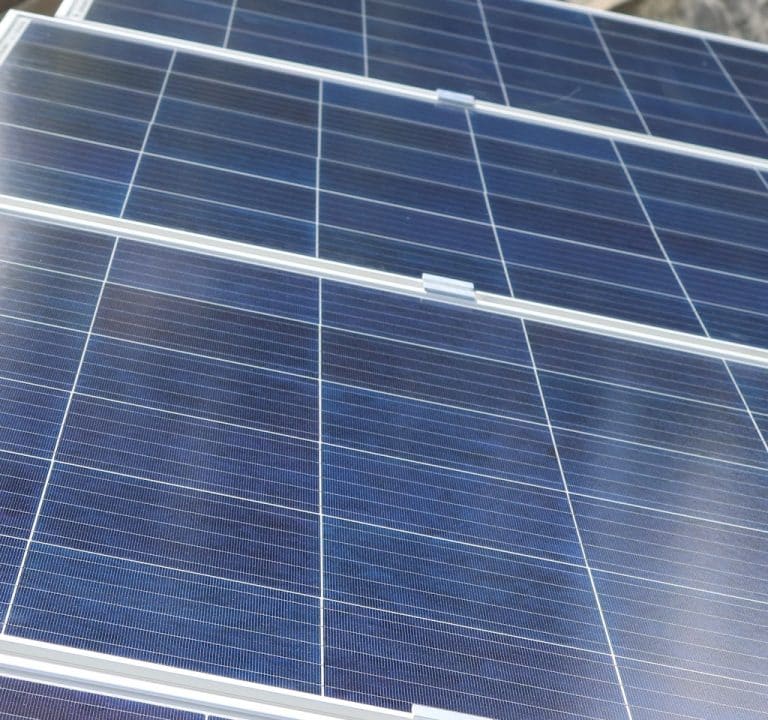
geyserTECH+ Solar is a Inverters and UPS, Solar energy company establishment in Somerset West, Western Cape, South Africa
geyserTECH+ Solar: Geyser Solar Controllers and Solar Geyser Solutions in Somerset West
geyserTECH+ Solar operates in the Western Cape, with a focus on converting existing geysers to solar power using their Pi²R controller line. The company presents itself as a practical partner for households seeking to reduce electricity consumption by supplying integrated PV solar solutions that attach directly to the current geyser setup. Visitors can encounter products designed to work with the existing geyser element and thermostat, minimising plumbing changes and capitalising on the efficiency of PV panels. The emphasis is on a straightforward, structured approach to reducing grid dependence without major retrofitting.
The core offering centres on three generations of GeyserTECH+ Pi²R controllers: Micro, iX, and Smart. The Micro is described as the smaller unit suitable for geysers ranging from 50 to 150 litres and element sizes up to 3 kW, while the iX is the larger model appropriate for 50 to 300 litres and elements up to 4 kW. The Smart variant combines the iX with a touchscreen display, enabling app-based control via Wi‑Fi in one version and a non-Wi‑Fi option in another. Each controller is presented as capable of operating off-grid or in grid-connected configurations, with the option to integrate through a digital geyser timer or a programmable display for enhanced control. This product lineup positions geyserTECH+ Solar as a specialist provider of compact, near-plug-and-play solar geyser solutions rather than traditional, bulky solar water heating systems.
From a service perspective, the site outlines a three-step installation concept that mirrors common PV integration processes. Step 1 involves mounting the geyserTECH+ unit near the geyser and connecting it to a PV array of three or four solar panels, using appropriate fuses. Step 2 covers the AC connection to the unit, with a recommendation to limit grid power input through timers or the optional digital displays. Step 3 wires the Pi²R unit to the geyser at the original connection points used by the thermostat and element, noting that no changes to the geyser’s element or thermostat are required. This staged approach suggests a straightforward retrofit designed to preserve existing mechanical components while enabling solar-assisted heating.
Practical advantages highlighted by geyserTECH+ Solar include reduced installation costs, no need for extra plumbing, and a system design that can operate entirely off-grid. The company emphasises that PV panels deliver energy from light rather than heat, which can translate into better performance in cooler conditions. A notable claim is the ability to feed solar power directly to the geyser’s element, with dual AC and DC pathways offering flexible operation. The products are described as proudly South African, repairable, and backed by a two‑year local warranty, which may appeal to customers seeking warranty protection and local support.
Typical job types implied by the content focus on upgrading existing geysers in residential settings to solar operation, with adaptability to different geyser sizes (from about 50 litres upwards) and varying element capacities. The materials imply that installations can be arranged for homes looking to lower electricity bills, particularly where geysers represent one of the household’s higher energy draws. The emphasis on off-grid capability also hints at potential work in remote properties or areas with constrained grid reliability.
Visitor feedback, where present, underscores the practical nature of the product and its appeal for cost savings and simpler retrofit. Reviews tend to reflect satisfaction with straightforward configuration and the ability to avoid extensive plumbing work, aligning with the site’s installation narrative. However, specific customer testimonials are not quoted in detail on the public pages, leaving the overall sentiment to be inferred from the described benefits and warranty terms.
Helpful guidance for customers includes planning around AC usage: the system can be configured to minimise grid dependency by delaying grid input to early morning or late evening, or by switching off AC entirely when required. Prospective buyers should consider the size of their geyser and the corresponding controller (Micro for smaller geysers, iX for larger loads, with the Smart option for enhanced monitoring). Local regulations regarding earthing and electrical connections should be observed, and installation guidelines are available to review before any implementation.
Practical tips for customers include verifying compatibility with the existing geyser, confirming whether a timer or digital display is desired to manage grid input, and confirming that the installation area can accommodate the controller near the geyser. Considering the two‑year warranty and South African origin, customers may also wish to confirm local availability of spare parts and support in Somerset West and the broader Western Cape region. The approach espoused by geyserTECH+ Solar centres on a low-disruption, cost-conscious upgrade path to solar-assisted domestic hot water.
Somerset West
Western Cape
South Africa


Sorry, no records were found. Please adjust your search criteria and try again.
Sorry, unable to load the Maps API.
Inverters, UPS and Solar Energy Services in Somerset West, Western Cape
In the Somerset West area of the Western Cape, providers specialising in inverters, uninterruptible power supplies (UPS) and solar energy offer a range of services aimed at enhancing power reliability and optimisation for homes and small to medium businesses. The local climate, grid stability concerns, and rising energy costs drive demand for resilient electrical systems that can operate during outages and reduce dependence on the municipal supply.
Typically, service offerings encompass assessment, design, installation, maintenance and aftercare. Clients can expect a site evaluation to determine load requirements, battery storage needs, and the most appropriate inverter or UPS configuration. A professional assessment will consider peak power demands, essential circuits, back-up durations, and future expansion potential. The outcome is a tailored solution that balances initial investment with long-term energy security and efficiency.
Inverters are a central feature of most installations. They convert DC electricity produced by solar panels or stored in batteries into usable AC power for home loads or business equipment. South African installers commonly specify hybrid inverters that can manage grid connection, solar generation, and battery storage within a single, integrated unit. This flexibility supports automatic switching during outages, optimised charging from solar sources, and seamless operation of critical circuits when the main supply falters.
UPS systems provide instantaneous protection against power interruptions. They’re designed to bridge short outages, trim voltage fluctuations, and safeguard sensitive electronics such as servers, computer networks, medical devices, and communications equipment. In Somerset West, UPS solutions frequently feature scalable battery modules, automatic transfer switches, and monitoring capabilities to alert operators to changes in supply conditions. The objective is to minimise disruption and prevent data loss or equipment damage during voltage sags or outages.
Solar energy services in the region extend beyond equipment installation. A typical engagement includes system sizing, equipment sourcing guidance, and adherence to local electrical standards and permitting processes. Installers may offer monitoring and performance optimisation, ensuring panels, inverters, and battery storage operate at or near design efficiency. Ongoing maintenance plans often cover battery health checks, inverter firmware updates, cleanliness of photovoltaic surfaces, and safety inspections for earthing and electrical protection devices.
Practical considerations frequently outlined to customers include the importance of load prioritisation, maintenance intervals, and the expected lifespan of components. For example, critical circuit groups may be defined to ensure essential appliances remain powered during an outage, while non-essential loads are deprioritised to extend backup duration. Battery storage size and type (such as lithium iron phosphate or other chemistries) influence cost, performance, and cycle life, and should reflect the specific usage patterns of the premises.
In Somerset West, solar and power protection solutions are typically designed with weather and environmental factors in mind. Outdoor equipment must be housed in weatherproof enclosures, and proper cable routing is essential to protect against heat, dust, and the region’s occasional heavy rainfall. Ease of future upgrades is often considered, enabling the addition of extra panels or battery capacity as energy demands evolve or as grid policies change.
Customers can expect clear communication throughout the process, from initial consultation and site assessment through to installation and commissioning. Aftercare services commonly emphasise reliability, performance verification, and technical support for troubleshooting. By combining inverters, UPS technology and solar energy expertise, providers in Somerset West aim to deliver resilient, cost-effective power solutions aligned with local needs and regulatory expectations.
- Site assessment and load analysis
- Inverter and UPS selection and installation
- Solar panel integration and battery storage solutions
- System monitoring, maintenance and firmware updates
- Emergency power planning and load prioritisation
If this is your business, please click the button below to claim it.
By claiming the listing, you will be able to edit it, and add your own text, images, videos and business hours
Please use this listing as an advertisement for your business. It is provided for Free.