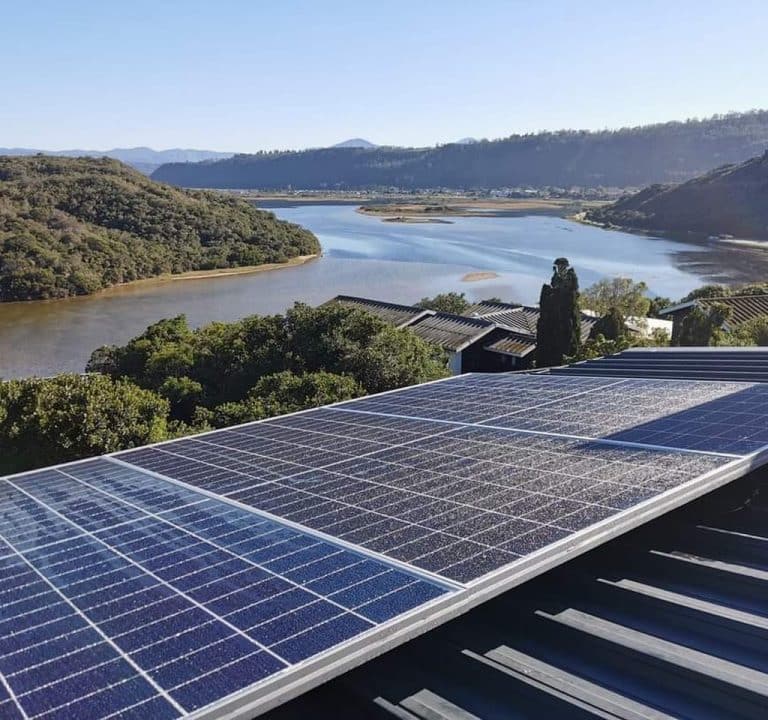
Garden Route SOLAR.CO.ZA is a Inverters and UPS, Solar energy company establishment in Sedgefield, Western Cape, South Africa
Garden Route SOLAR.CO.ZA — Inverters and UPS: Solar Energy Solutions in the Garden Route
Garden Route SOLAR.CO.ZA operates as a Western Cape-based solar energy provider focused on delivering practical solar power systems for residential settings along the Garden Route, with a presence in Sedgefield. The offering emphasises reliable solar products and professional installation services designed to reduce electricity consumption from the grid and minimise the impact of load shedding. The company positions itself within the Inverters and UPS category, highlighting equipment that enables energy management, battery support, and intelligent control of solar power.
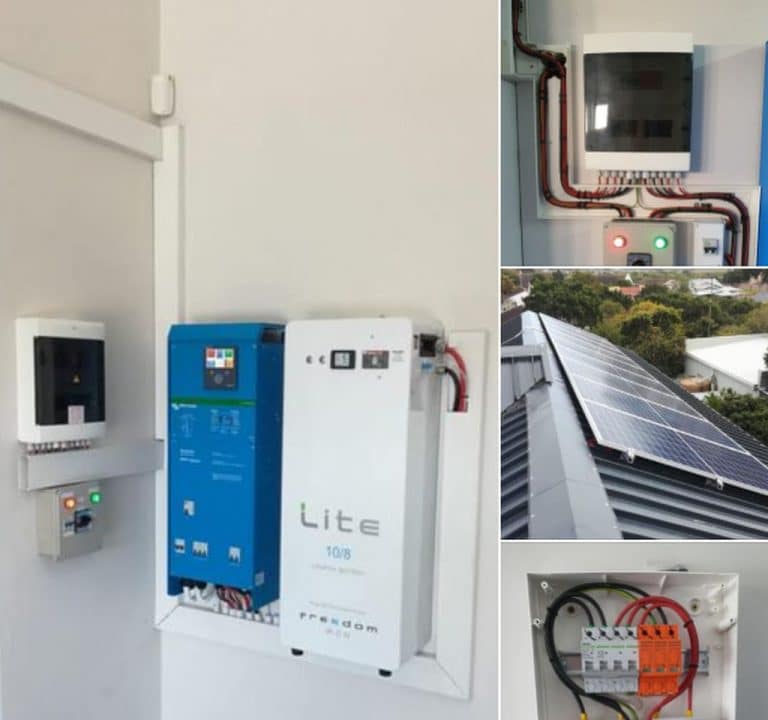
Core services centre on three pillars: solar panels, control systems, and energy storage solutions. The product range includes high-quality solar panels designed for improved power output and shading tolerance, alongside control panels that offer straightforward installation, minimal wiring, and remote monitoring capabilities. Inverters and chargers are featured as a key component, with emphasis on units that display battery, inverter, and solar charging parameters and provide connectivity for mobile devices, ensuring operators can monitor performance conveniently. The portfolio also comprises various energy storage options, including batteries suitable for residential or small- to medium-sized enterprise (SME) use, with references to compatible lithium-based solutions such as Pylontech batteries.
Typical project descriptions implied by the available content indicate residential solar installations as a primary focus, with systems designed to supplement or replace domestic electrical loads. The FAQ section underscores a practical understanding of system types—grid-tied, hybrid, off-grid—and notes that battery-backed configurations (UPS) are commonly employed to maintain essential services during power interruptions. This aligns with a customer need for reliable standby power and the ability to optimise daytime solar generation for evening consumption.
In practice, the approach to projects appears to combine consultation on system type with guidance on equipment choices. The materials suggest that the team assists customers in selecting appropriate solar panels, inverters/chargers, and storage to meet the household or small business requirements, while also considering the potential for feeding excess generation back into the grid where supported by local utilities. The emphasis on “top-quality solar products” and professional installation conveys a commitment to durable, serviceable systems rather than quick, low-cost setups.
From a customer experience perspective, the information available presents a straightforward process for engagement. Users can request quotes or information via the contact page, which promotes direct communication for support and project discussions. The site also provides downloadable technical specifications for key products, allowing informed decision-making and comparison across components such as panels, controllers, inverters, and energy storage.
Practical tips for customers
- Assess daily electricity usage to determine the appropriate system type (grid-tied, hybrid, or off-grid) and the required storage capacity. A data logger can help capture peak daytime and night-time consumption.
- Consider reducing overall demand where feasible, for example by replacing geysers with solar or gas alternatives and switching to LED lighting to maximise solar gains.
- When planning storage, note that lithium batteries offer longer warranty periods and deeper usable capacity compared with traditional deep-cycle or gel batteries, though they come at a higher upfront cost.
- Clarify whether the design will allow surplus solar power to be fed back into the grid, and whether a smart meter or other metering arrangements are necessary as a precaution for any municipal requirements.
- Request detailed product specifications for panels, inverters, and storage to ensure compatibility with the chosen system architecture and future scalability.
The service area is defined by the Garden Route region in the Western Cape, with a focus on residential installations in Sedgefield and surrounding communities. While specific business hours are not published on the site, the emphasis on professional installation and product support suggests responsive engagement during typical business times. The content also highlights ongoing benefits such as reduced electricity bills and lower maintenance costs, reinforcing the value proposition for homeowners and small organisations seeking dependable solar-backed resilience against load shedding.
Overall, Garden Route SOLAR.CO.ZA presents a practical, product-led approach to solar energy in the Inverters and UPS category, with an emphasis on experienced installation, reliable gear, and clear guidance for customers navigating system types, storage choices, and grid interaction in the Garden Route locale.
Sedgefield
Western Cape
South Africa


Sorry, no records were found. Please adjust your search criteria and try again.
Sorry, unable to load the Maps API.
Inverters and UPS: Solar Energy Services in Sedgefield, Western Cape
In the Western Cape town of Sedgefield, the demand for reliable power solutions has grown as households and businesses seek resilient energy systems. Inverter and uninterruptible power supply (UPS) services are commonly featured as part of broader solar energy offerings, helping to smooth power interruptions, manage energy use and maximise the value of solar generation. An independent observer notes that customers typically engage these services to protect sensitive equipment, maintain business continuity, and optimise energy costs within a rural and coastal context where grid reliability can vary.
In practice, an inverter converts the direct current (DC) electricity produced by solar panels or stored in batteries into alternating current (AC) suitable for most electrical devices. When paired with a battery bank, inverters enable off-grid or hybrid operation, allowing critical circuits to continue running during a grid outage or load shedding. UPS systems, meanwhile, are designed to bridge brief interruptions, providing a temporary power reserve to facilitate a safe shutdown of equipment or a seamless transition to an alternative power source. Together, these components form a common framework for solar installations in Sedgefield and surrounding areas.
The typical service offering begins with an on-site assessment to understand power requirements, available space, and local conditions such as shading, temperature, and the reliability of the local network. A qualified technician will review electrical load profiles, identify essential circuits, and determine appropriate inverter ratings and battery capacity. The goal is to tailor a solution that can sustain essential devices—such as refrigeration, lighting, communications, and office equipment—during outages while remaining efficient and compliant with safety standards.
Installation services generally include the careful placement and mounting of inverters and UPS units, proper wiring to the electrical panel, and meticulous protection measures such as surge suppression and proper earthing. Battery storage is a common consideration; the choice between lead-acid and lithium-based chemistry, as well as capacity and depth of discharge, influences both performance and longevity. In areas like Sedgefield, where weather and climate can affect battery efficiency, installers may provide guidance on thermal management and enclosure design to extend battery life and maintain reliability.
Maintenance and monitoring form a critical part of ongoing service. Routine checks assess inverter efficiency, battery health, and the integrity of connections. Many providers offer remote monitoring or periodic site visits to verify that the system operates within expected parameters. Such monitoring can flag issues early, enabling proactive maintenance and reducing the risk of unexpected downtime during peak demand periods.
Customers can expect practical considerations to shape decision-making. For some, the emphasis is on protecting essential loads and maintaining business operations during grid disruptions. For others, the focus lies on energy independence and reducing electricity bills by optimising solar generation and storage. Local factors, including the availability of solar radiation, roof orientation, and space for battery installation, influence system configuration. Compliance with electrical regulations and safety standards remains a priority, ensuring installations are performed by qualified personnel with appropriate certifications and insurance where applicable.
In Sedgefield and the Western Cape more broadly, providers emphasise the integration of solar energy with the electrical system in a manner that supports both daily use and longer-term resilience. The services described typically encompass assessment, design, installation, commissioning, and ongoing support. Rather than promising a one-size-fits-all solution, the available offerings focus on aligning equipment and strategies with specific energy needs, site conditions, and budgetary considerations. This pragmatic approach helps customers understand what to expect from inverter and UPS installations within a solar energy framework in this coastal region.
If this is your business, please click the button below to claim it.
By claiming the listing, you will be able to edit it, and add your own text, images, videos and business hours
Please use this listing as an advertisement for your business. It is provided for Free.