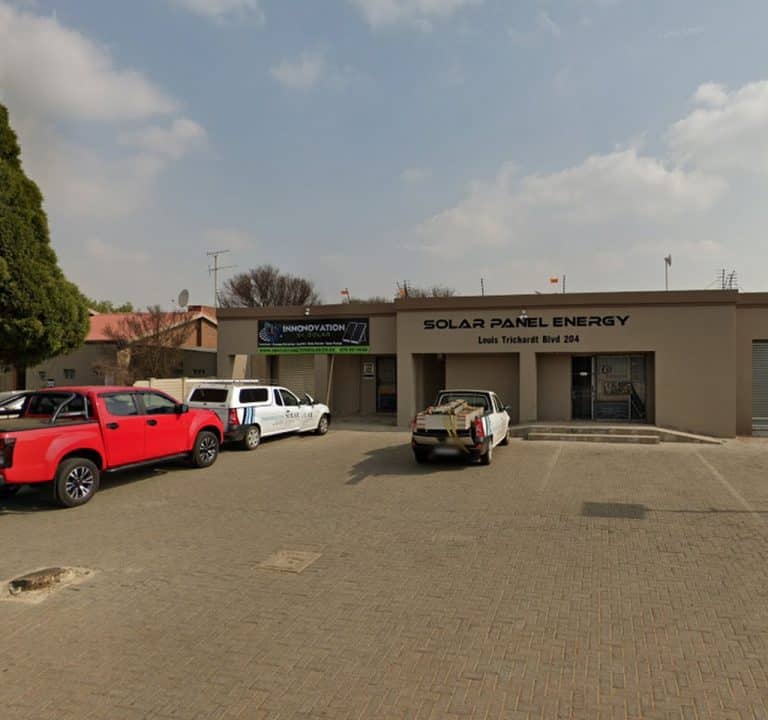
G and C Solar – SMA Solar Installers is a Inverters and UPS, Solar energy company establishment in Vanderbijlpark, Gauteng, South Africa
G & C Solar – SMA Solar Installers: Inverters and UPS Specialists in Vanderbijlpark
G & C Solar delivers reliable, affordable, and sustainable solar energy solutions for homes and businesses across South Africa, with a focus on practical inverter and UPS options within the broader solar offerings. As observed by an independent reviewer, the company emphasises clean energy adoption and aims to empower customers to manage energy usage more effectively, while pursuing a greener tomorrow. The business presents itself as a partner for energy independence, combining solar PV systems with water and energy back-up solutions to suit varied operational needs.
The core portfolio centres on solar energy systems and related components, including solar geysers, solar pumps, and water back-up systems. In the Inverters and UPS category, the emphasis is on reliable power conversion and storage solutions that enable customers to optimise daytime solar generation and provide resilience during outages. The company highlights partnerships with preferred equipment suppliers to offer high-quality, dependable solar hardware that is backed by warranties and robust performance records. After-sales service and ongoing support are positioned as integral to ensuring long-term value for customers.
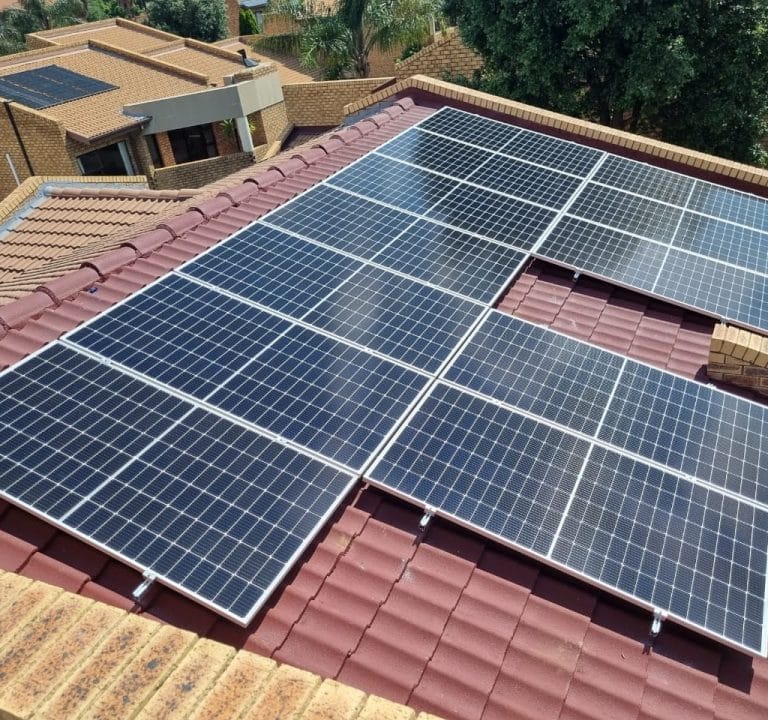
Typical projects described by the site appeal to both residential and small to medium enterprise contexts. Homeowners may pursue rooftop solar installations to reduce electricity bills and gain greater energy control, while businesses seek scalable solutions to improve energy security, support operational continuity, and align with sustainability goals. The service scope appears to cover not only installation but also maintenance, panel cleaning, and technical support, reflecting a hands-on approach to system performance and reliability.
In terms of project types, the information indicates readiness to address a variety of common categories, such as solar energy systems for on-site generation, solar geysers for hot water use, and solar pumps for water management. Water back-up systems are highlighted as part of the portfolio, suggesting a focus on combined solar energy and auxiliary infrastructure that can sustain essential services during grid interruptions. The materials imply a readiness to handle standard residential rooftops as well as light commercial applications, with a process-oriented approach to assessing energy needs and delivering suitable configurations.
Requests for services typically follow a straightforward path: prospective customers can initiate contact for a free consultation to explore options and tailor a system to the specific site, usage profile, and budget. The site also provides practical guidance through a technical support resource hub, including frequently asked questions about system sizing, monitoring, maintenance, battery storage, and warranty coverage. This reflects an emphasis on informed decision-making and proactive system care, reducing the likelihood of unexpected performance issues.
Customers can expect practical support long after installation. The company’s stated commitment to ongoing after-sales service and support suggests a model that prioritises long-term performance, monitoring, and diagnostics. Warranties for solar panels, inverters, and workmanship are referenced in generic form, underscoring the expectation that customers should review their specific documentation for exact terms. The emphasis on monitoring portals or apps indicates that real-time and historical production data are typically available, enabling users to track efficiency and identify potential maintenance needs promptly.
For potential clients, practical tips emerge from the available information. Regular checks of the monitoring platform can help identify anomalies early, while periodic inspection and cleaning of solar panels can sustain peak output. Understanding the battery system’s status and ensuring firmware and inverter settings are up to date can improve storage performance and reliability. When outages occur, awareness that grid-tied systems without storage will shut down for safety, whereas battery-backed configurations can offer limited continuity, is important for planning and expectations. Early conversations about compatibility with existing equipment and potential upgrades, such as adding battery storage to an existing system, can streamline future enhancements.
G & C Solar presents itself as a full-service solar partner with a focus on energy independence, backed by practical installation and support frameworks. The Vanderbijlpark operation appears aligned with wider South African solar adoption, serving both homes and small businesses in pursuit of cleaner energy and long-term cost savings. The business locations, hours, and precise service areas are not explicitly stated on the available public pages, but the provided content suggests a nationwide orientation in addition to local installation capabilities. For customers sourcing inverters and UPS solutions within the category of solar energy, G & C Solar offers a structured pathway from initial consultation through to installation and ongoing care.
Vanderbijlpark
Gauteng
South Africa


Sorry, no records were found. Please adjust your search criteria and try again.
Sorry, unable to load the Maps API.
Inverters and UPS: Solar Energy Services in Vanderbijlpark, Gauteng
In Vanderbijlpark, Gauteng, solar energy providers extend a comprehensive range of services centred on inverters and uninterruptible power supplies (UPS). These offerings are designed to support both residences and small to medium enterprises as they aim to improve power resilience, energy efficiency, and the reliability of electrical systems. The focus in this region reflects the local climate, demand for dependable electrical backup, and the growing adoption of solar solutions as a practical response to load shedding and fluctuating electricity supply.
Consultation and system design form the foundation of most services. Trained technicians assess building layouts, electrical load profiles, and site-specific conditions to determine suitable inverter and UPS configurations. Decisions typically address the balance between peak demand, battery storage needs, and the desired autonomy during outages. In practice, this involves estimating battery bank sizes, selecting inverter wattage, and determining charging strategies that harmonise with solar generation and grid interactions.
Installation services cover the physical integration of inverters and UPS units with existing electrical systems. Technicians ensure safe mounting, proper wiring, and adherence to local electrical codes. In many cases, this also includes separating critical circuits to maintain essential power during an outage, while non-essential loads are prioritised off-grid. For businesses, installation may extend to data and communications room protections, server room power conditioning, and coordination with building management systems to optimise downtime avoidance.
Maintenance and support are crucial to sustaining performance and extending equipment life. Regular inspections address battery health, inverter efficiency, heat management, and firmware updates where applicable. Preventive maintenance helps identify signs of wear or inefficiency before they escalate into faults. Some providers offer service plans that include on-site visits, diagnostic checks, and prompt after-hours support to minimise operational disruption.
Battery systems, a central component of many inverter and UPS configurations, receive particular attention. Technicians evaluate battery chemistry, state of charge, cycle life, and replacement intervals. In Vanderbijlpark's climate, where temperature variations can influence battery performance, storage considerations and ventilation are also reviewed to optimise reliability and safety. Where required, guidance is provided on sourcing compatible batteries and safe disposal of end-of-life units in accordance with local regulations.
Operational differences between inverters and UPS units are commonly explained to customers. A typical inverter converts DC electricity from solar panels or batteries into usable AC power, enabling continuous operation of essential devices during a outage. A UPS, on the other hand, provides instant power from internal batteries to maintain critical equipment without interruption during a sudden supply gap, while an auxiliary energy source is stabilised or solar charging continues in the background. In practice, many installations combine both technologies to deliver seamless power protection and optimised energy use.
Customers in Vanderbijlpark can expect practical considerations to shape service choices. These include the impact of local weather on solar generation, daily electricity patterns, the importance of safety in electrical work, and the cost-benefit balance of upgrades or retrofits. Providers typically explain the expected lifespan of components, maintenance intervals, and how to interpret performance data such as battery state of charge and inverter efficiency. Clear guidance on installation timelines, warranty coverage, and transition planning helps organisations and households navigate the process with confidence.
- Site assessment and system sizing
- Inverter and UPS installation and integration
- Battery health evaluation and replacement planning
- Preventive maintenance and remote diagnostics
- System optimisation for load management and resilience
If this is your business, please click the button below to claim it.
By claiming the listing, you will be able to edit it, and add your own text, images, videos and business hours
Please use this listing as an advertisement for your business. It is provided for Free.