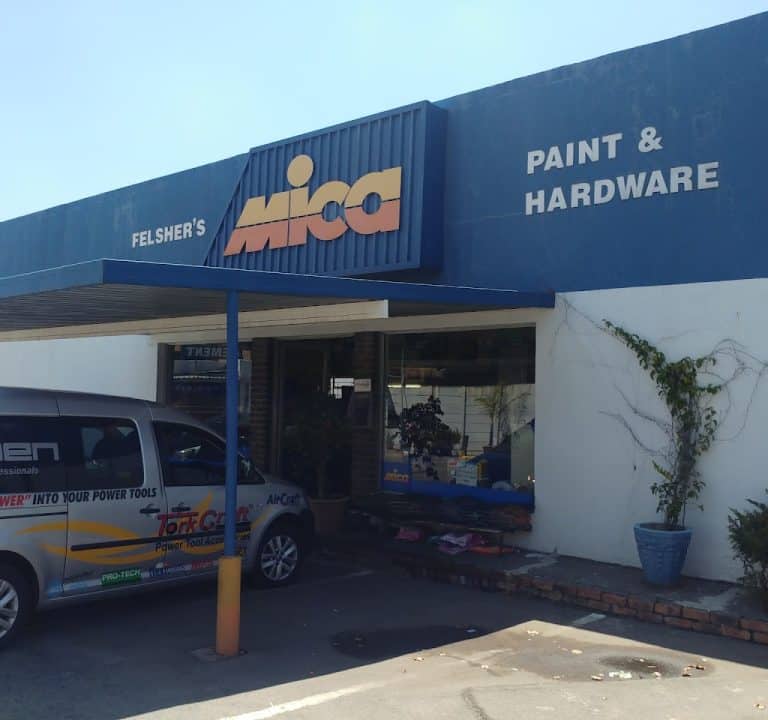
DIY Depot Felsher’s is a Hardware store, Inverters and UPS establishment in Johannesburg, Gauteng, South Africa
DIY Depot Felsher’s: Hardware Store Services and Customer Experience in Johannesburg
DIY Depot Felsher’s operates within the wider DIY Depot family, offering a broad selection of building products suitable for both professional contractors and keen DIY enthusiasts. The business presents itself as a relationship-driven supplier, emphasising long-term engagement with customers who undertake projects ranging from straightforward repairs to more substantial builds. While the company’s online messaging foregrounds a comprehensive range of building materials, the emphasis remains on dependable supply, dependable brands, and practical advice that supports customers through every stage of their work.
In terms of core offerings, DIY Depot Felsher’s positions itself as a retailer of essential construction inputs. The parent company’s stated product categories span cement, bricks, sand, timber, and other building products, with the ability to deliver orders to customers’ doorsteps. A notable feature is the inclusion of well-known brands across the building spectrum, which helps customers source trusted materials from one convenient supplier. Although the site highlights a diverse catalogue and ongoing promotions, it does not publish a separate, explicit list of services dedicated to inverters and uninterruptible power supplies (UPS). Visitors seeking inverter or UPS solutions would be advised to inquire locally at the Johannesburg branch or consult the head office for guidance on available products, stock, and compatible accessories.
The shopping experience at DIY Depot Felsher’s is framed by accessibility and support. The company operates through a national network of stores, with the Johannesburg area benefiting from the same customer-centric approach that characterises the brand. The website showcases assistance through promotions, brand information, and DIY tips, suggesting that customers can expect practical, how-to content alongside product offerings. The emphasis on “building a relationship” suggests an ongoing engagement model, where staff may provide product recommendations, delivery arrangements, and after-sales support tailored to individual projects.
Customers visiting the Johannesburg hub would encounter a familiar DIY Depot model: a broad assortment of building materials sourced from reputable brands and a service proposition geared toward convenience and reliability. The business communicates a nationwide footprint (over 140 stores) and highlights the potential for delivery, which is particularly valuable for contractors or larger projects that require bulk purchases or heavy materials. For those considering equipment such as power supply solutions (inverters and UPS), there is an expectation of guidance and availability through the standard store network, even if specific inverter-focused services are not itemised on the main homepage.
In terms of the customer journey, the following workflow is typical based on the available information: a customer identifies a project need (materials, tools, or related supplies), selects from a wide brand catalogue, arranges delivery or collection, and utilises online resources for DIY hints and project tips. The site also points to additional content such as green living tips and storage solutions, which indicates a broader value proposition beyond mere product sales. The Johannesburg customer can therefore anticipate a familiar DIY retail experience, supported by brand diversity and practical guidance.
Practical tips for customers planning a visit or placing an order include:
- Check the nearest DIY Depot store using the online store locator to confirm stock availability and opening hours for the Johannesburg area.
- Prepare a clear materials list and estimate quantities for bulk purchases to optimise delivery scheduling and minimise trips.
- Explore brand options within the catalogue to identify trusted products that suit specific project requirements, from cement and timber to specialist tools and accessories.
- Review DIY hints and tips on the site for quick project ideas and practical how-to guidance that can inform material choices.
- Contact the head office or customer care for guidance on product availability, especially if inverter or UPS solutions are a particular requirement, as stock levels can vary by location.
Geographically, the business serves the Johannesburg region within Gauteng, operating from head office facilities located in Bedfordview, Germiston, with regional branches offering convenient access for local customers. The presence of a national network implies ongoing access to stock and support across multiple locations, which can be advantageous for larger commercial projects requiring coordinated material supply.
Overall, DIY Depot Felsher’s in Johannesburg presents a reliable, relationship-focused option for building supplies, backed by a broad catalogue, recognised brands, and delivery capability. Although explicit details about inverter and UPS services are not foregrounded on the homepage, the store’s extensive product range and nationwide infrastructure suggest that practical guidance and stock support for power-related equipment are available through the standard store channels.
Johannesburg
Gauteng
South Africa


Sorry, no records were found. Please adjust your search criteria and try again.
Sorry, unable to load the Maps API.
Hardware Stores, Inverters and UPS Services in Johannesburg, Gauteng
Johannesburg, the commercial hub of Gauteng, hosts an extensive network of hardware retailers that specialise in power back‑up solutions alongside traditional home improvement and building materials. In this setting, the availability and expertise surrounding inverters and uninterruptible power supplies (UPS) are increasingly central to both domestic and commercial customers facing frequent electricity outages and load shedding. The approach taken by local outlets combines broad hardware stock with focused electrical and energy storage offerings, catering to a diverse client base across urban and peri‑urban areas.
Customers can expect a range of core services within these shops. Key offerings typically include the sale of inverters of varying capacities, UPS units designed to protect sensitive equipment, and batteries suited to different runtime and lifespan requirements. Many outlets also provide essential installation components, such as wiring accessories, circuit breakers, fuses, mounting hardware, and safety devices. In addition, staff commonly assist with system sizing guidance, based on load calculations and anticipated usage patterns, helping buyers match equipment to household or business power needs.
Professional installation and after‑sales support form important parts of the service mix. Installation often involves assessing the electrical system, selecting an appropriate inverter or UPS, combining solar charging options where relevant, and ensuring compliant integration with existing circuits. Some stores offer on‑site assessments, while others provide recommendations for accredited installers who specialise in power storage and generator‑ready configurations. After installation, customers typically benefit from guidance on maintenance, battery care, monitoring options, and troubleshooting common faults such as inverter overloads, battery degradation, or nuisance tripping of circuit breakers.
Practical considerations are central to purchasing decisions in Johannesburg. The regional climate, building regulations, and the local electricity grid environment influence equipment choice. Factors such as battery chemistry (for example, lead‑acid versus lithium), cycle life, depth of discharge, and the expected daily load profile impact both performance and long‑term cost. The availability of spare parts and service intervals can determine the practicality of a given solution, particularly for businesses that rely on continuous power for critical operations. In many stores, staff emphasise safety and compliance, advising on proper handling of heavy components, secure mounting, and the safe disposal or recycling of older batteries.
From the customer’s perspective, the purchasing journey typically moves from selection to installation and ongoing support. The process usually begins with clarifying the most important goals—whether to bridge outages for essential appliances, to run a small office during load shedding, or to preserve computers and servers. Based on this, the retailer helps identify an appropriate inverter capacity, UPS rating, and battery bank size. After delivery, the emphasis shifts to correct wiring, integration with existing electrical panels, and, where relevant, configurations that optimise charging sources such as solar input or mains supply. Routine maintenance advice and battery health checks are commonly offered to help customers maximise system reliability and lifespan.
Overall, hardware stores in Johannesburg that stock inverters and UPS solutions provide practical, locally informed options for improving energy resilience. By combining a broad hardware proposition with specialist electrical and power‑storage guidance, these outlets serve a growing market seeking dependable back‑up power, practical installation support, and informed post‑purchase care amid South Africa’s electricity landscape.
- Inverter and UPS sales across a spectrum of capacities
- Battery selection and compatibility guidance
- Electrical installation components and safety equipment
- System sizing, load assessment, and basic configuration advice
- Maintenance, troubleshooting, and after‑sales support
If this is your business, please click the button below to claim it.
By claiming the listing, you will be able to edit it, and add your own text, images, videos and business hours
Please use this listing as an advertisement for your business. It is provided for Free.