
AG Systems is a Inverters and UPS, Solar energy company establishment in Sandton, Gauteng, South Africa
AG Systems — Inverters and UPS, Solar Energy Company (Sandton, Gauteng)
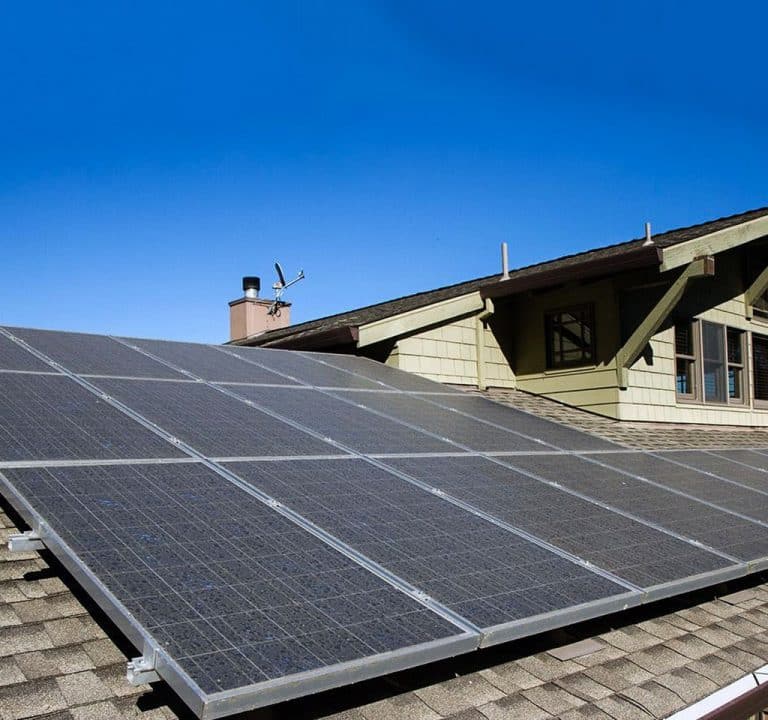
AG Systems operates as a South African solar and battery backup specialist based in Sandton, Gauteng. The business presents itself as a practical solution for households and facilities seeking to reduce electricity costs, improve power reliability, and curb emissions associated with fossil fuels. The core offering centres on solar PV systems paired with battery storage, designed to mitigate load shedding and to provide continuous power for essential loads.
From the available information, AG Systems presents a range of equipment and configurations to suit different scales and aims. The product line includes solar panels, inverters, monitoring services, and maintenance support. Notable hardware mentions include Solis inverters, Comadian solar panels, Freedom systems and Pylontech batteries, as well as the HVAC Panda and other module types used in various installations. The emphasis is on a complete, customised solar solution built to meet individual usage patterns and site constraints.
Main services offered
- Solar PV installation and system integration: design and installation of solar panels, inverters, and battery storage tailored to site conditions and load requirements.
- Inverter and battery solutions: a selection of inverters and lithium battery options intended to provide daytime generation, offsets against Eskom tariffs, and extended power during outages.
- Full-time system monitoring: continuous monitoring services to track performance, energy yield, and system health, enabling rapid response when issues arise.
- Maintenance and support: ongoing maintenance to ensure optimal operation, potentially including repairs and component servicing.
- Load management and backup power: configurations designed to prioritise critical loads during outages and to support homes and small businesses through load shedding.
Typical job types and industries
The content suggests residential-scale solar deployments as well as larger commercial or higher-capacity systems. Examples cited include systems sized for several kilowatts to multi-megawatt-equivalent capacities, with generous annual energy yield and substantial CO2 savings. The information also hints at applications across homes and small-to-medium facilities, focusing on reducing electricity bills, improving reliability, and shrinking the environmental footprint of power consumption.
How requests and projects usually work
AG Systems promotes a customer-driven process that begins with design and assessment, followed by system configuration and installation. A key feature described is a system-building tool that guides users through site address, inverter location, roof orientation, shading considerations, and monthly usage. The process supports choosing the number of panels, load shedding preferences, backup storage requirements, and essential loads for prioritisation during outages. A quotation is generated based on stated needs and budget, with professional review and potential site visits as part of the approval workflow. After approval, a preliminary booking is made, and progress can be tracked within the portal.
In person, the company presents itself as SAPVIA-registered installers, which indicates a commitment to industry standards and regulatory compliance for solar PV installations in South Africa.
Practical tips for customers
- Prepare documentation: gather recent Eskom bills or monthly usage to help size the system accurately, and note essential loads that must remain powered during an outage (e.g., lights, communication devices, security systems, basic climate control).
- Consider roof orientation and shading: although systems can be installed on various roof directions, north-facing arrangements typically perform best for daytime generation; where east or west facing roofs are the only option, expect reduced output and plan storage accordingly.
- Assess backup priorities: identify how many load-shedding sessions to accommodate and which loads to prioritise for battery backup to maximise reliability.
- Utilise monitoring: full-time monitoring helps optimise performance, detect issues early, and provide ongoing visibility into system yields and energy savings.
- Check installed base and warranty: verify equipment brands (e.g., Solis inverters, Pylontech or Freedom batteries) and confirm warranty periods and service commitments as part of the quotation and contract.
Hours, location and area served
Working hours are listed as Monday to Saturday, 08:00 to 18:00, with Sunday closed. The company is located at 1 Adolf Street, Sandown, Johannesburg, with Sandton described as the serving area. This places AG Systems within easy reach for clients in Sandton and surrounding Gauteng regions seeking solar and battery backup installations.
Additional notes
AG Systems emphasises a critical objective: to reduce electricity bills while delivering stable power and reducing environmental impact. The narrative frames solar and battery backup as a response to grid instability and rising tariffs, positioning the company as a practical partner for businesses and households seeking dependable, affordable energy solutions.
Overall, AG Systems presents a straightforward, customer-focused offering in the Inverters and UPS category, with an emphasis on customised solar installations, robust monitoring, routine maintenance, and responsive service for customers in Sandton and greater Gauteng.
Sandton
Gauteng
South Africa
Sorry, no records were found. Please adjust your search criteria and try again.
Sorry, unable to load the Maps API.
Inverters and UPS: Solar Energy Services in Sandton, Gauteng
In Sandton, Gauteng, the provision of inverters and uninterruptible power supply (UPS) solutions sits at the intersection of reliable electricity management and sustainable energy adoption. Local solar energy companies in this area typically blend electrical engineering expertise with energy storage knowledge to support residential, commercial, and light industrial applications. The emphasis is on ensuring continuity of power, safeguarding sensitive electronics, and optimising energy use in a grid where outages and load shedding can be common.
Inverters and UPS services in this market cover a range of capabilities designed to fit varied needs. Core offerings often include assessment and design, system sizing, installation, commissioning, and ongoing maintenance. The assessment phase assesses load requirements, backup duration, available solar resources, and the site’s electrical layout. Sizing takes into account essential circuits, critical equipment, and the desired level of resilience. Installation entails integrating energy storage hardware with the existing electrical distribution and, in the case of solar-connected systems, aligning with solar PV components to achieve seamless operation. Commissioning confirms safe energisation, proper transfer times, and stable battery performance.
A common objective across Sandton projects is to minimise downtime while maximising utilisation of renewable energy. This involves configuring inverters to convert DC power from batteries or solar panels into usable AC power, and ensuring UPS units can quickly switch to stored energy during outages. In multi-tenant buildings or businesses with critical processes, systems are often designed with redundancy, staggered backup strategies, and clear priorities for essential loads. The result is a reliable power supply that supports operations, protects data integrity, and reduces dependency on the municipal grid during periods of instability.
Practical considerations frequently encountered by customers include the following:
- System types: Off-grid, on-grid with battery backup, and hybrid configurations that combine solar input with mains power and storage.
- Battery technology: Lead-acid and lithium-based options, with trade-offs in cost, cycle life, charging efficiency, and space requirements.
- Load profiling: Identifying essential circuits, peak demand periods, and the impact of power outages on critical equipment such as servers, lighting, and climate control.
- Maintenance and monitoring: Remote monitoring capabilities, routine inspections, and firmware updates that help sustain performance and extend component life.
- Compliance and safety: Adherence to local electrical standards, proper isolation procedures, and professional installation by qualified technicians.
In Sandton, the workflow typically follows a collaborative approach between the client and the energy specialist. A preliminary site survey is conducted to understand layout and constraints, followed by a tailored proposal that outlines equipment selection, estimated timelines, and a rough financial consideration. Installation focuses on safe integration with existing electrical panels, proper cable routes, and ensuring compliance with electrical regulations. After commissioning, monitoring and maintenance plans provide ongoing assurance, with periodic servicing to check battery health, inverter efficiency, and UPS battery readiness.
Customers can expect guidance on system resilience without being tied to a single platform or supplier. The emphasis remains on practical, scalable solutions that align with local sun exposure, daily energy needs, and the realities of the South African electricity environment. For many Sandton clients, the goal is to achieve a balance between cost efficiency, energy independence, and uninterrupted operations, supported by reliable inverters and UPS arrangements that are designed for the specific commercial or residential context.
If this is your business, please click the button below to claim it.
By claiming the listing, you will be able to edit it, and add your own text, images, videos and business hours
Please use this listing as an advertisement for your business. It is provided for Free.