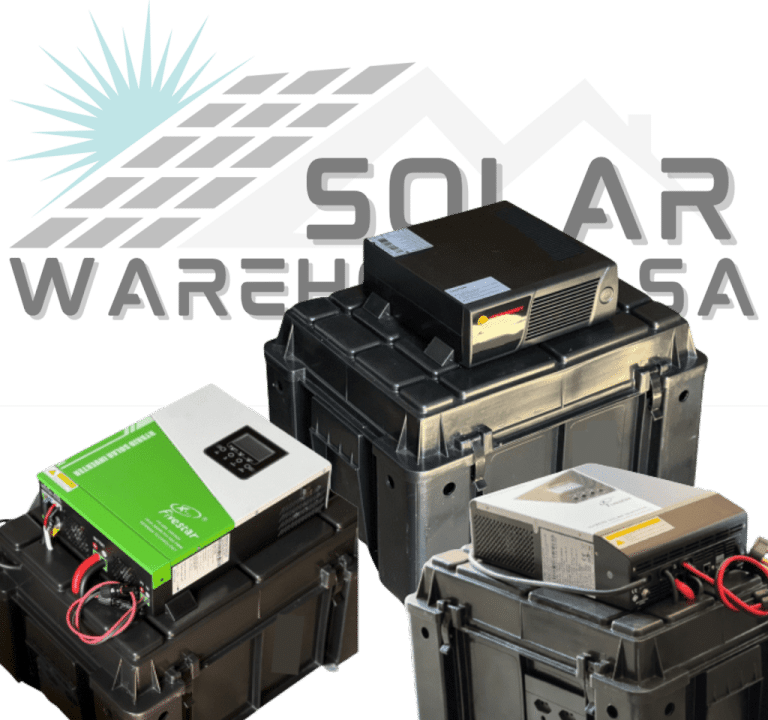
Solar Warehouse SA is a Inverters and UPS, Solar energy company establishment in Johannesburg, Gauteng, South Africa
Solar Warehouse SA: Inverters and UPS Solutions in Johannesburg, Gauteng
Solar Warehouse SA operates as a specialist retailer for power storage and conversion equipment, with a focus on inverters, batteries, and related accessories. Serving customers in Johannesburg and the wider Gauteng area, the business presents a portfolio that covers pure sine wave inverters, hybrid inverter systems, deep cycle batteries, lithium storage options, and modular energy storage solutions. The online collection emphasises a practical, plug-and-play approach to building or upgrading solar and backup power capabilities for homes and light commercial applications.
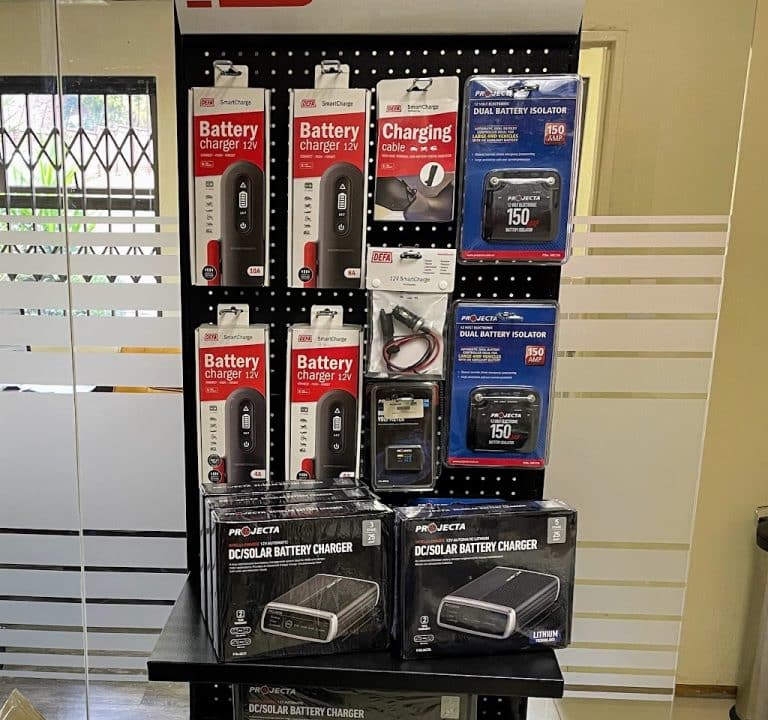
Core offerings centre on three broad categories: energy storage hardware, solar generation components, and power management solutions. The inventory includes hybrid inverters that combine charging, energy conversion, and grid interaction, as well as pure sine wave inverters suitable for sensitive electronics. Substantial emphasis is placed on storage options, ranging from deep cycle gel batteries to lithium-based units in a variety of capacities. The shop also features complementary items such as battery cables, chargers, and mounting hardware, which support complete system builds or upgrades.
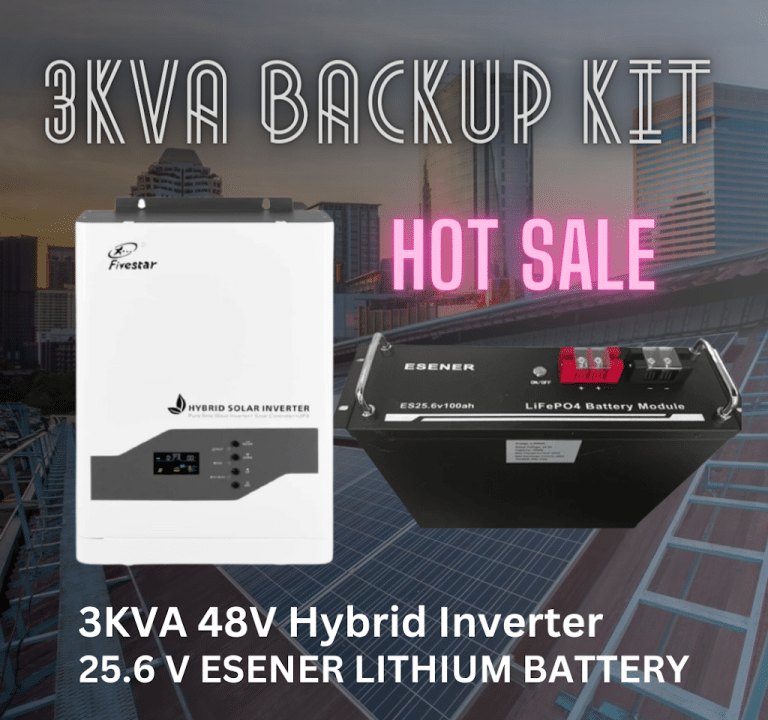
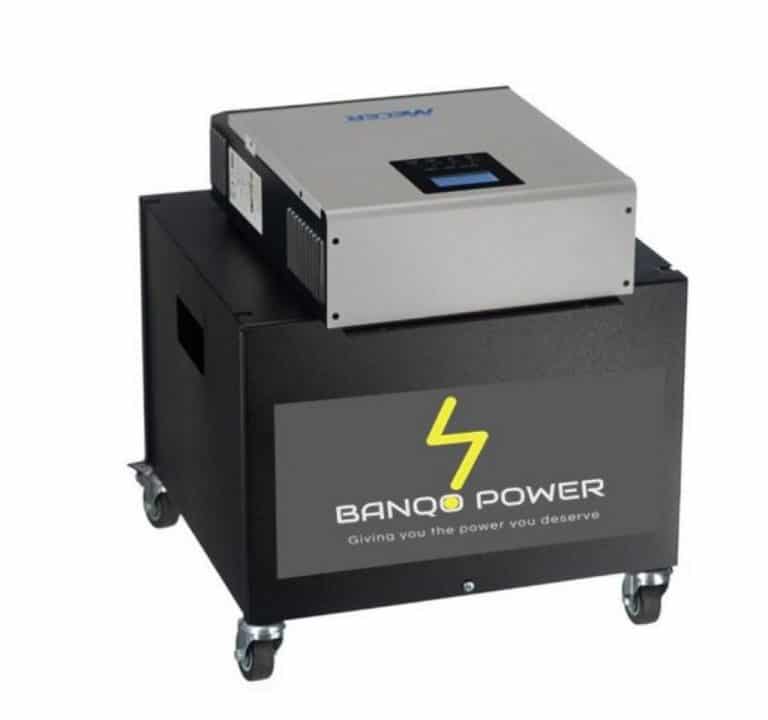
For customers exploring ready-made solutions, the store lists hybrid inverter combos and plug-and-play portable power systems. These options are geared towards users seeking straightforward, scalable configurations that can begin delivering back-up or off-grid power with minimal configuration. In addition, a selection of solar panels and roof mounts is available, reinforcing the end-to-end angle of solar-powered energy storage and usage. The product pages signal practical consideration for compatibility between components, such as matching inverters with appropriate battery technologies and capacities.
Typical project scopes implied by the product assortment include residential installations that aim to increase energy resilience, places with intermittent power supply, and light commercial setups seeking reliable backup for essential equipment. The range of high-voltage inverters and batteries suggests capability for larger storage demands, while smaller, portable units indicate suitability for on-the-go or temporary power needs. The presence of specialised offerings, such as off-grid inverter systems with wifi connectivity, indicates an awareness of modern energy management features that enable remote monitoring and control.
Customer experience appears to be conducted primarily through an online shopping model, with a clear emphasis on product detail and straightforward navigation across several related collections. The shop categorises products into user-friendly groups, including Deep Cycle Gel Batteries, Lithium Batteries, Hybrid Inverters Pure Sine Wave, Solar Panels & Roof Mounts, Hybrid Inverter Combos, Plug & Play Portable Power Systems, High Voltage Inverters & Batteries, and accessories. This structure supports shoppers who are building a project from components or upgrading a single element of an existing system.
Practical tips for customers planning a purchase include reviewing the technical specifications of inverters and batteries to ensure compatibility (voltage, capacity, and battery chemistry). When assembling a system, attention should be paid to the intended load profile and backup duration to determine appropriate storage capacity and inverter sizing. It is advisable to consider whether a hybrid inverter solution or a pure off-grid inverter better fits the energy goals, and to verify whether any integration with solar panels or mounting hardware is a natural fit for the planned installation.
- Check product compatibility: Ensure the inverter, battery technology (gel, AGM, lithium), and capacity align with the planned electrical load and backup duration.
- Assess your site requirements: Consider roof orientation, available space for panels, and possible shading when selecting solar panels and mounting solutions.
- Plan for future scalability: If future growth is expected, choose modular components or inverter systems that allow for easy expansion.
- Review support resources: Look for product manuals, installation guides, and warranty terms for peace of mind.
The Johannesburg location and Gauteng service area position Solar Warehouse SA as a regional supplier of energy storage and power conversion hardware. While the website highlights a broad range of products suitable for personal and light commercial use, it remains focused on providing a hands-on, parts-led approach to powering homes and small workplaces with solar-enabled storage solutions.
Customers might expect prompt online access to pricing and product details via the shop’s collections, including popular items such as Deep Cycle Gel Batteries, Lithium Batteries, Hybrid Inverters Pure Sine Wave, and Plug & Play Portable Power Systems. The offering is complemented by related categories like battery cables, chargers and accessories, which support end-to-end system builds from a single source.
Johannesburg
Gauteng
South Africa

Sorry, no records were found. Please adjust your search criteria and try again.
Sorry, unable to load the Maps API.
Inverters and UPS | Solar Energy Services in Johannesburg, Gauteng
<pIn Johannesburg, Gauteng, the demand for reliable power solutions has grown as businesses and households seek resilience against outages and price volatility in the energy market. Inverters and uninterruptible power supply (UPS) systems form a pivotal part of this landscape, offering routes to households and organisations for preserving operations, protecting sensitive equipment, and optimising solar investment. The services surrounding these technologies are typically delivered by solar energy companies that understand local grid dynamics, weather patterns, and installation constraints unique to the South African environment.
<pA typical service offering begins with an assessment of power needs, space, and safety considerations. Qualified technicians analyse household or facility electricity consumption, the available solar generation capacity, and the expected runtime during outages. The result is a tailored plan that determines the appropriate inverter type—such as a pure sine wave or modified sine wave model—and the desired UPS configuration. Engineers also consider charging sources, whether from the grid, a solar array, or a combination, to ensure seamless transition between power sources when outages occur.
<pThe installation process generally follows a structured sequence. It commonly includes electrical design coordination, equipment mounting, wiring and cabling, earthing and safety checks, and integration with the existing electrical panel. In many cases, solar energy specialists install battery storage cartridges to support extended runtime, particularly in areas prone to frequent power cuts. Quality of installation is underpinned by adherence to local electrical regulations and adherence to best practices for preventing overheating, electrical noise, and potential hazards.
<pPost-installation services are essential components of the customer journey. Routine maintenance visits inspect connection integrity, battery health, inverter performance, and the condition of programmable settings. Some providers offer monitoring services that remotely track system performance, detect anomalies, and notify responsible parties of deviations from expected operation. Where available, maintenance packages may include battery replacements, firmware updates, and system recalibration to reflect changes in load patterns or regulatory requirements.
<pCustomers can expect a clear outline of the practical considerations involved in using inverters and UPS systems. Key factors include the space required for equipment and ventilation, the compatibility of the system with the existing electrical layout, and the anticipated return on investment based on energy savings and reliability. Inverters must be selected with appropriate output capacity, while UPS units are chosen to cover critical circuits with a sufficient buffer for safe shutdown or continued operation during interruptions. Additionally, the interplay between solar generation and battery storage influences decisions about peak shaving, time-of-use pricing, and load management strategies.
Some service providers emphasise installation planning to minimise downtime and ensure continuity for essential services. They may offer guidance on best practices for equipping offices, data rooms, clinics, retail outlets, and other facilities where uninterrupted power is valued. Consumers are often advised on safety considerations, such as handling high-voltage equipment, battery disposal, and ensuring compliance with local regulations governing electrical work and energy storage.
- Initial consultation and load assessment
- Schematic design and equipment selection
- On-site installation of inverter and UPS systems
- Battery storage integration and solar array coupling
- Performance monitoring and routine maintenance
- Security, safety, and regulatory compliance guidance
Overall, the services surrounding Inverters and UPS in Johannesburg cater to a structured, practical approach: assessing needs, designing a compliant system, installing reliable equipment, and providing ongoing support to sustain power continuity in a city where dependable electricity is a valued asset.
If this is your business, please click the button below to claim it.
By claiming the listing, you will be able to edit it, and add your own text, images, videos and business hours
Please use this listing as an advertisement for your business. It is provided for Free.